Jazz in London: From Ronnie Scott's to the New Wave
From Ronnie Scott's to Shabaka: two eras of jazz and the shops that sell them
London jazz has two souls that keep talking to each other: the old Soho of Ronnie Scott's — the basement where America first landed in the 1960s — and the new London jazz that exploded in the 2010s, young, Black British, folded into grime and afrobeat. The city is the bridge between them. This guide is about that bridge, and about where, today, you buy jazz on vinyl.
Two jazzes, one city
On a weeknight in Peckham a room is packed for a band whose drummer grew up on grime and whose saxophonist studied Coltrane — what many now call the loudest, youngest jazz scene on the planet. A few miles west, under Frith Street in Soho, sits the basement club where modern American jazz first reached Britain in the early 1960s, still open, still running. Ronnie Scott's on one side of the river, Peckham on the other: London is both at once.
That is the point — not "London has a jazz scene," a line true of twenty cities, but that here a historic club jazz and a brand-new street jazz coexist and speak to each other. Buying jazz in London means moving along that bridge: the British pressings of the American classics at one end, the just-released records of the new wave at the other.
Soho, the basement and the classics
Ronnie Scott's opened on 30 October 1959, in a basement at 39 Gerrard Street, the work of saxophonist Ronnie Scott and Pete King; in 1965 the club moved to where it still stands, 47 Frith Street. It was the first British venue to host modern American jazz — in the early 1960s — and everyone passed through: the Beatles, the playwright Harold Pinter, Jimi Hendrix (who gave his last UK performance there), Sonny Rollins, who recorded the soundtrack to Alfie in London. In 2019 a blue plaque on Gerrard Street made the origins official.
Around it was jazz Soho: the Flamingo Club on Wardour Street, the British bebop scene, the rooms where a generation of English players — too often forgotten — kept the music alive when it was still an import. For the collector those names matter as much as the Americans: Tubby Hayes, a saxophonist and vibraphonist of vast gifts, Dick Morrissey, and the ranks of soloists who held London jazz together. Their period records are now among the most sought-after in British jazz.
That era also made London a capital of jazz vinyl for a practical reason: while British audiences discovered America live, UK labels licensed and pressed the American titles at home. That's where the wealth of UK pressings collectors still exploit comes from — the other, quieter legacy of that Soho.
The new wave: London jazz now
For a decade London has been an epicentre again, but in a way that connects to 1960s Soho only by bloodline. The new scene was born south of the river — Peckham, Brixton — and is largely Black British: musicians raised across jazz, grime, afrobeat and club music, who stopped treating jazz as a museum. It deserves to be told as what it is — a real community, with its rehearsal rooms, its collectives and its politics — not as exotic background colour.
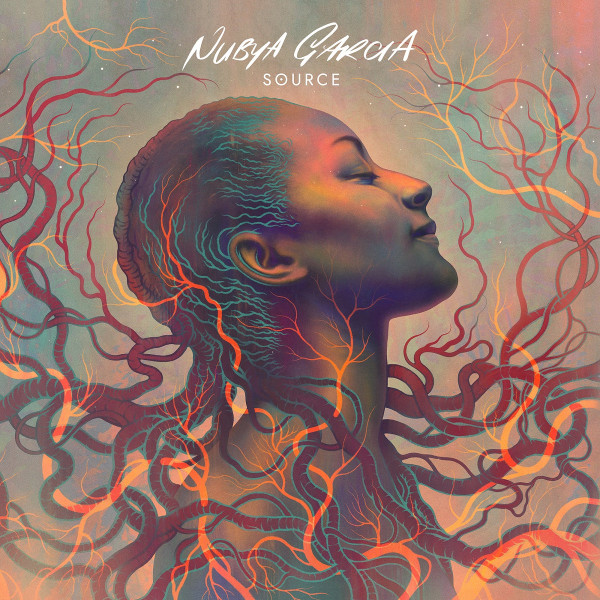
The lead names are well known by now: Shabaka Hutchings, with Sons of Kemet and The Comet Is Coming; Ezra Collective; the saxophonist Nubya Garcia; the drummer Moses Boyd. Behind them sits an infrastructure of platforms more than labels: Brownswood, Gilles Peterson's imprint, and Jazz re:freshed, the non-profit that launched half of this generation.
One thing sets this scene apart from Ronnie Scott's: it comes from the stage before the studio. The club nights in Peckham and south London, the collectives that lend each other players, a young crowd that dances rather than listens in reverent silence — that's where the records come from, not the other way round. For a collector it means these LPs are documents of a community in motion, not display pieces: you buy them to play loud, the way they were meant.
The records to look for
Two worlds, two ways to buy. On one side the classics: London is the place for UK pressings of American jazz, because for decades British labels licensed and pressed Blue Note, Prestige and Riverside titles here, and they circulate more freely than anywhere. Add the British jazz originals of the 1960s — Tubby Hayes above all — which for rarity and price are true grails. These are second-hand and specialist records, not cart-fillers: you hunt them by pressing, matrix and condition.
On the other side the new wave, which lives in the present: recent LPs by Nubya Garcia, Ezra Collective, Moses Boyd and Shabaka's projects are often well pressed and still available new — the most direct way to take this scene home. It's the accessible end of the bridge: records to buy, not to chase.
Working rule for vintage jazz: the original matters, but a well-mastered modern reissue beats a tired, scuffed original, so weigh the vinyl's condition over the sleeve. Our original pressing vs reissue guide goes deeper.

Which pressing? Check it on Discogs ↗
Which pressing? Check it on Discogs ↗

Which pressing? Check it on Discogs ↗
Where to find them today
Ray's Jazz is the heart: one of the last true jazz specialists left on a high street, still inside the Foyles bookshop (107 Charing Cross Road, WC2H 0DT), with a broad catalogue, a café attached and published hours. If you want one address for jazz in London, this is it.
Sounds of the Universe (7 Broadwick Street, Soho), the home of Soul Jazz Records, is the bridge shop par excellence: spiritual, modal and deep jazz curated with a sure hand, and an ear on the contemporary too. Perfect if the angle you care about is exactly where the two eras meet. Honest Jon's (278 Portobello Road, Notting Hill) folds jazz into a wider curation of world and Black music, its in-house label sharpening the taste.
For catalogue depth there's Soul Brother Records (1 Keswick Road, East Putney), since 1991 the reference for soul, funk and jazz, with well over ten thousand titles and staff who answer the hard questions — closed Sundays. For the present of the new wave, Stranger Than Paradise (inside Mare Street Market, Hackney) catches it best: contemporary jazz, Numero Group reissues, regular in-stores. And for generalist digging with jazz in the racks, Reckless in Soho and Flashback round out the circuit. Always check the hours before you go.
Who this page is for
Anyone in London specifically after jazz who doesn't want to lose an afternoon in generalist shops: spiritual- and modal-jazz collectors, UK-pressing hunters, followers of the new British scene. If you want the whole city mapped, start with our London record shops guide; for neighbouring genres, see reggae & dub in London and soul & funk in London.
Ray's Jazz at Foyles is the heart, the last true specialist in the centre; Sounds of the Universe is the bridge between classic and contemporary; Soul Brother for depth, Stranger Than Paradise for the new wave. One city, two eras of jazz in conversation.
What's the best jazz record shop in London?
Ray's Jazz inside Foyles is the specialist reference in the centre. Sounds of the Universe in Soho is ideal for spiritual and deep jazz and bridges to the contemporary; Soul Brother in East Putney for catalogue depth; Stranger Than Paradise in Hackney for the new British scene. There's no single 'best'.
What is the new London jazz?
It's the London jazz scene that exploded in the 2010s, born south of the river around Peckham and Brixton and largely Black British: players like Shabaka Hutchings, Nubya Garcia, Ezra Collective and Moses Boyd, who folded jazz into grime, afrobeat and club music.
Where can I find original Blue Note pressings in London?
UK Blue Note pressings turn up mainly with specialists like Soul Brother and in serious second-hand shops. Expect strong prices on the most sought-after originals — London demand has already absorbed them.