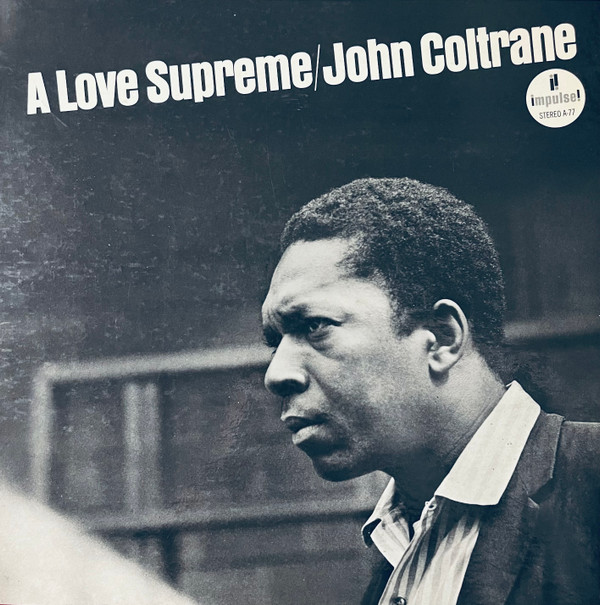
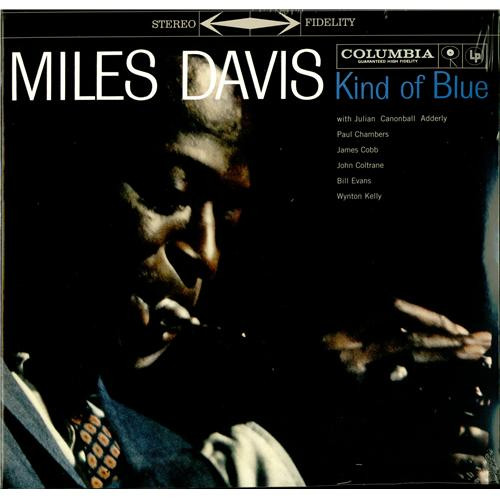
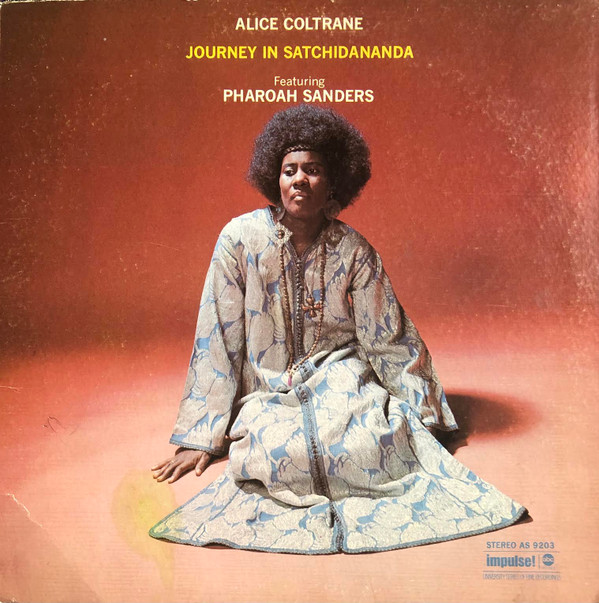
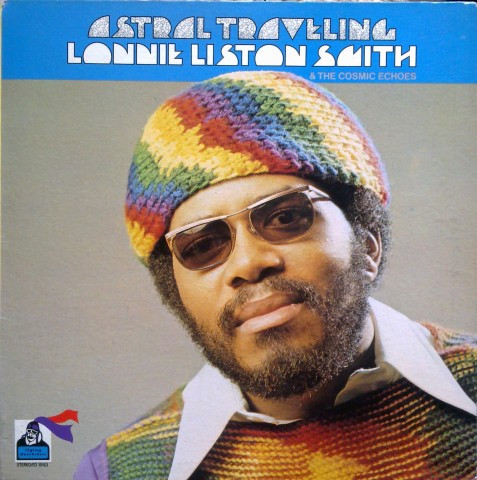
Black Beauty. Storie di musica nera is an 800-page essay, written in Italian, in which Nicola Gaeta sets out to tell more than a century of African American music as a single living organism. The figure that holds the book together is a tree: the roots are African rhythms, slave songs, spirituals, gospel and blues; the trunk is jazz across its eras; the branches are soul, r&b, funk and hip-hop, along with rock'n'roll, disco and house, and reggae, ska, dub and afrobeat; the leaves are the musicians — from Louis Armstrong and Duke Ellington to John Coltrane and Sun Ra, from Marvin Gaye and Stevie Wonder to Bob Marley, Prince, Nina Simone, Lauryn Hill and Kendrick Lamar.
Gaeta is explicit that this is not a catalogue but an "emotional map", declaredly subjective and provisional. It moves decade by decade, setting famous names beside emerging talents and pioneers the official histories pushed to the margins. The structure carries a clear argument: the commercial appropriation of Black aesthetics, running from the minstrel parodies of the nineteenth century to the short circuit of 1917, when the first jazz record ever made was cut by a band of white musicians. It is the story of a language repeatedly taken from its creators and tamed for the market.
The book is published by Edizioni LOW (Piacenza) in the Lowland/Terrebasse series, with a preface by the alto saxophonist Logan Richardson and a photographic essay by Pino Ninfa, Giovanni Guadalupi and Elena Carminati. Gaeta — based in Bari, a physician, music critic and radio presenter — writes for Musica Jazz and Quaderni d'altri tempi, and has previously published Una preghiera tra due bicchieri di gin. Il jazz italiano si racconta (2011) and Bam, il jazz oggi a New York (2013), both for CaratteriMobili.
For record collectors, the interest lies in the map rather than in any single chapter: a way to place a jazz record beside its soul, funk, reggae and hip-hop offshoots, and to read Black music as one connected system of languages rather than a set of separate genres. The appropriation argument, too, speaks directly to anyone who values originals and sources.
We flag the book here because it has only just appeared and because its map — and the argument that runs through it — bear directly on this music. A reading equal to its 800 pages will take time, and we expect to return to it. The book is available in Italian only.