One label defined the sound of 1960s jazz more than any other, and you know it on sight: the orange-and-black spine, the exclamation mark, the slogan "The New Wave of Jazz." It is Impulse!, and Ashley Kahn has given it the book it lacked — the full story of the house that Coltrane built.
The title is no exaggeration. Coltrane's success bought Impulse! the economic freedom to become what it became: the refuge of the decade's most adventurous jazz, the label that released Archie Shepp, Pharoah Sanders, Albert Ayler, Alice Coltrane, Charles Mingus. Kahn tells how a label born inside a record corporation — ABC-Paramount — became, almost paradoxically, the place where the most radical and spiritual Black music found a home and a shield.
At the book's centre is Bob Thiele, the producer who inherited Impulse! from Creed Taylor and had the instinct, and the nerve, to back Coltrane through his hardest and least commercial experiments. It is a fascinating portrait of the producer as hidden but decisive figure: the man who signs the cheques, chooses what gets cut, and sometimes shields the artist from the executives of his own company. Kahn braids corporate politics with the story of the sessions, and the result is a picture of how art and commerce negotiated, in those years, a precarious and fertile balance.
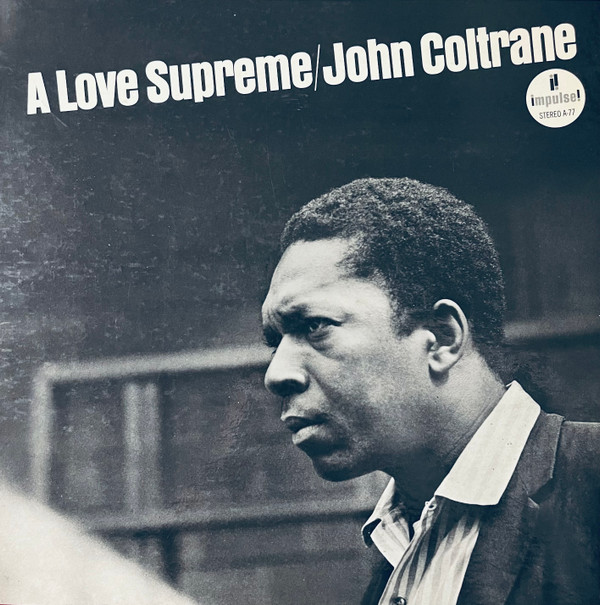
For the reader who comes to this book thinking about spiritual jazz — and for anyone who has read Spiritual Jazz: The Sound of Black Faith — Impulse! is the obligatory point of departure. It is the label that released A Love Supreme, and the laboratory where 1960s spiritual jazz took shape before the independent Black labels that inherited its legacy even existed. To understand Impulse! is to understand the infrastructure that made the music possible.
Kahn brings his usual method: huge research, nearly a hundred interviews, prose that holds detail and big picture together. But there's an extra dimension here that his single-album books lack — the object. The Impulse! sleeves, the laminated gatefold design, the label's graphic consistency are part of the story, and Kahn treats them with the attention a collector recognises. The book includes thirty-eight album profiles — a guide within the guide — that amount to a map of Impulse! collecting.
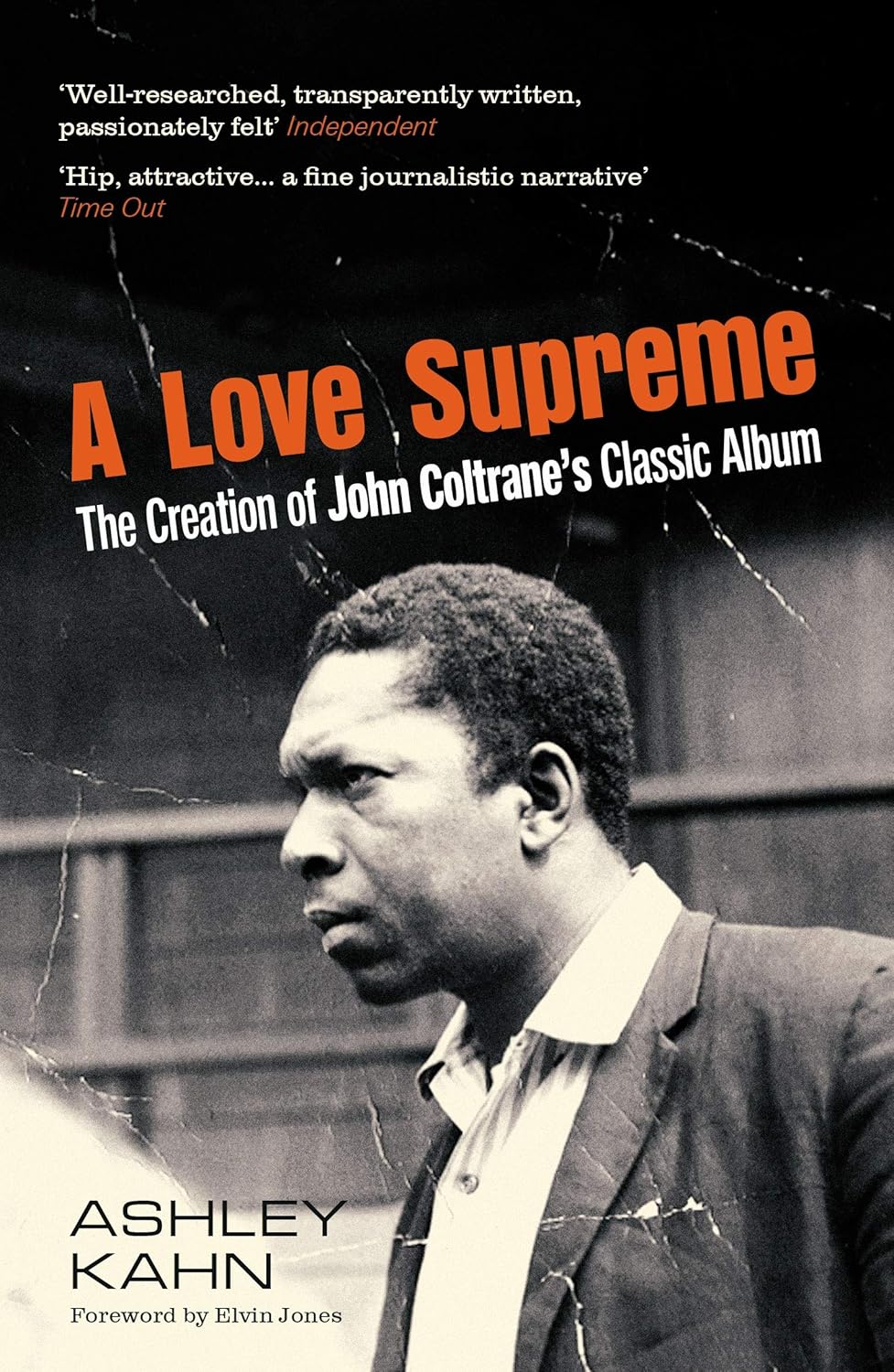
For the Groov-illa jazz shelf, The House That Trane Built is the natural companion to the book on A Love Supreme: one tells the record, the other the house that issued it. Together they show how one of the great seasons of American music was always, also, a matter of labels, producers and industrial choices. Spiritual jazz didn't float in the air. It came out on a specific label, with an orange-and-black spine.