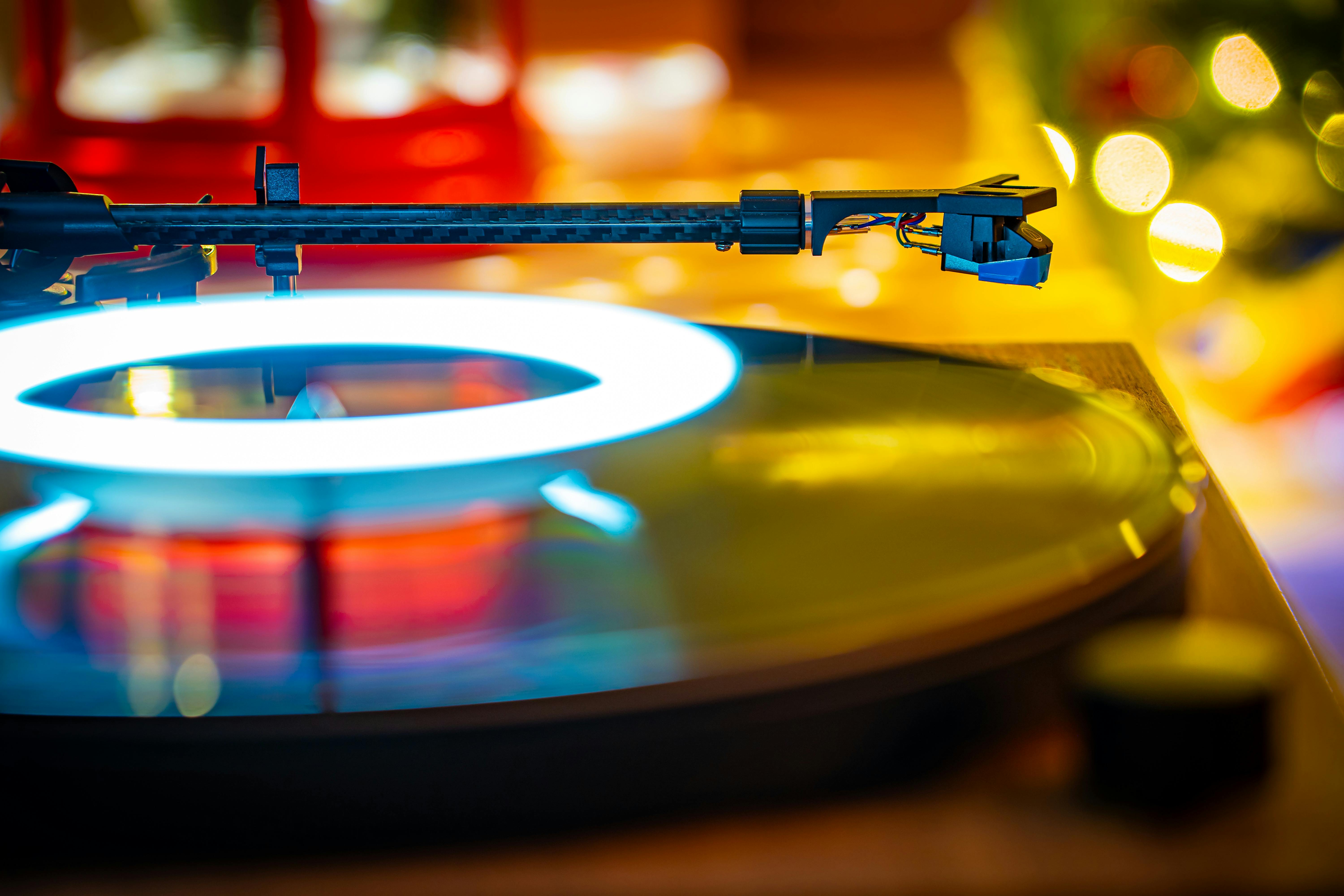
Linn Sondek LP12
The icon to hunt for 06 — the turntable that invented source-first, and that you upgrade for (almost) ever

Of all the icons to hunt for, the LP12 is the one that asks for the most respect and the most care. It is not a machine you buy and forget: it is a platform you build on for years, and at the same time the turntable that, more than any other, rewards — or punishes — whoever sets it up. That is why its difficulty, on our card, is high: not because it sounds bad, but because the way you buy it and adjust it matters as much as the piece itself. As with the NAD, the Thorens and the Quad, I speak as a buyer, not a technician, and the general method for judging used gear is in the restoration hub. Here is what concerns this turntable in particular: the myth that made it the archetype of its kind, why people keep it for a lifetime, and the things to know before haggling over a used one.
The myth: the turntable that invented source-first
In 1972 Ivor Tiefenbrun put an idea on the market before he put a product on it. At the time the received wisdom was that a system's sound came from the speakers, and that the source mattered little. Tiefenbrun argued the opposite: the weak link is the turntable, and what is lost there cannot be recovered downstream. It is the philosophy we now call source-first, and the LP12 is its living proof.
Technically it is a suspended sub-chassis turntable: platter, bearing and arm rest on a structure hung from three adjustable springs, isolated from the motor and the outside world. The scheme was not new — it descends from the early-1960s Acoustic Research XA, by way of Ariston and Thorens — but it is Linn that carried it without a break for half a century, until it became a byword for the suspended turntable itself. Few hi-fi machines can claim to have been in production, improved year after year, from 1972 to today.
Why it is the icon: it upgrades endlessly
Here is the real reason the LP12 is the icon to hunt for, rather than a fine period turntable: you do not buy it finished, you begin it. Every part has an upgrade route, and you can walk them one at a time, for years.
The power supply climbs from the basic Valhalla to the Lingo, up to the Radikal; the main bearing has moved from the Cirkus to the Karousel; the sub-chassis has its reference version, the Keel; and the arms span a whole range, from the Basik to the Ittok, up to the Ekos. You buy a used LP12 at a given specification and, if you wish, you grow it for decades — one piece at a time, hearing the step forward each time. It is the only turntable that, in this class, is truly a lifelong platform and not a closed purchase. In our £3000 system that is exactly its role: the source that commands, and that you never finish improving.
Setup: why it is everything
Here lies the reason for the high difficulty, and it must be said plainly. A badly-adjusted LP12 sounds worse than a well-made cheap deck. The suspension has to be set so it bounces correctly, the arm and cartridge have to be aligned precisely, the height has to be set: it is a delicate balance, and an example thrown together loses most of what makes it special.
The practical upshot, when you buy used, is one thing only: prefer an LP12 set up by someone who knows how — a Linn dealer, a specialist technician, or a seller who set it up with care — or budget a professional alignment after purchase. It is the single most important piece of advice on this whole page: on the LP12, a good setup is worth more than any single upgrade.
What to check before buying used
Beyond the setup, there are observable things that decide whether a listing is a good deal or a trap.
- The specification. Ask and verify what it carries: power supply (Valhalla, Lingo…), bearing (Cirkus, Karousel), sub-chassis. A base LP12 and a heavily-upgraded one are different animals at different prices — and the spread is wide. Knowing what you are buying is half the deal. - The arm. An LP12 almost always sells with an arm already fitted: which one changes the value and the sound a lot. Basik, Akito, Ittok, Ekos are not the same thing. Have it spelled out precisely. - The mechanical state. The bearing and the belt wear; the suspension may be out of adjustment. These are not grave problems in themselves, but budget for them — again, better a piece already sorted. - Speed and phono. It has a single speed, 33rpm (for 45 you move the belt by hand), and no onboard phono stage: you need an external preamp or the amplifier's phono input. Knowing these two limits up front avoids surprises.
The LP12 is the icon to hunt for whoever wants not a turntable, but the source of a lifetime. It is the piece that invented source-first in 1972 and that, uniquely in its class, upgrades endlessly — power supply, bearing, sub-chassis, arm — one step at a time, for decades. In return it asks for respect: setup is everything, and a badly-adjusted example sounds worse than a cheap deck. The advice, buying used, is one thing and worth more than any other: get it already set up by someone who knows how, or budget a professional alignment. Check the specification and the arm, remember it is 33rpm and has no onboard phono, then let it do its job. It is the turntable you keep and improve for as long as you have records to play.
Why a used LP12 and not a better new turntable at the same price?
Because the LP12 is not a finished purchase, it is a platform: you buy it at a given specification and improve it for decades, one piece at a time. A new turntable at the same price gives everything at once and ends there; the LP12 is a foundation that grows with you, and it is the archetype of source-first. The condition is that it is set up well — that is where it all plays out.
What is the 'specification', and why does it matter so much?
The LP12 has been upgraded continuously since 1972, and every example carries a different mix of parts: power supply (Valhalla, Lingo, Radikal), bearing (Cirkus, Karousel), sub-chassis, arm. A base LP12 and a heavily-upgraded one are different machines at very different prices. Before haggling over a used one, have it spelled out precisely what it carries.
Can I set it up and adjust it myself?
It can be learned, but it is the most delicate part of the LP12: the suspension, the arm and cartridge alignment, the height all have to be set with care, and a mistake is audible. If you have no experience, the safest choice is to buy it already set up by a Linn dealer or someone who knows how, or to budget a professional setup.
Which cartridge and phono do I need?
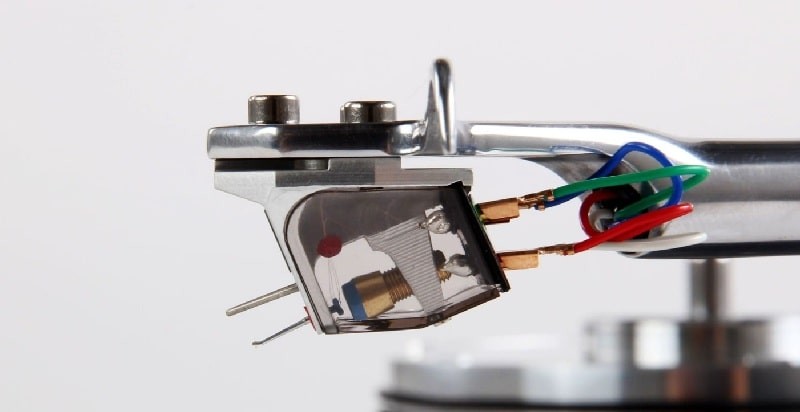
The LP12's arm accepts any standard cartridge, chosen to suit the rest of the system. The turntable has no onboard phono stage: you need an external preamp or the amplifier's phono input. In our £3000 system, for instance, the phono lives in the Naim preamplifier's boards.