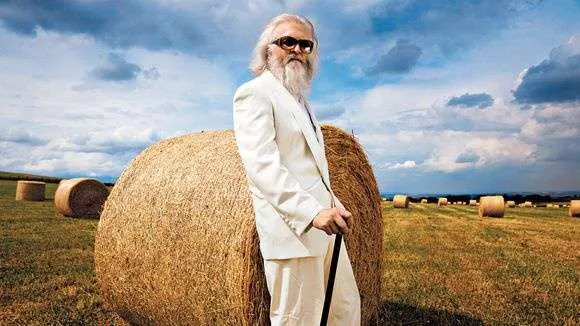
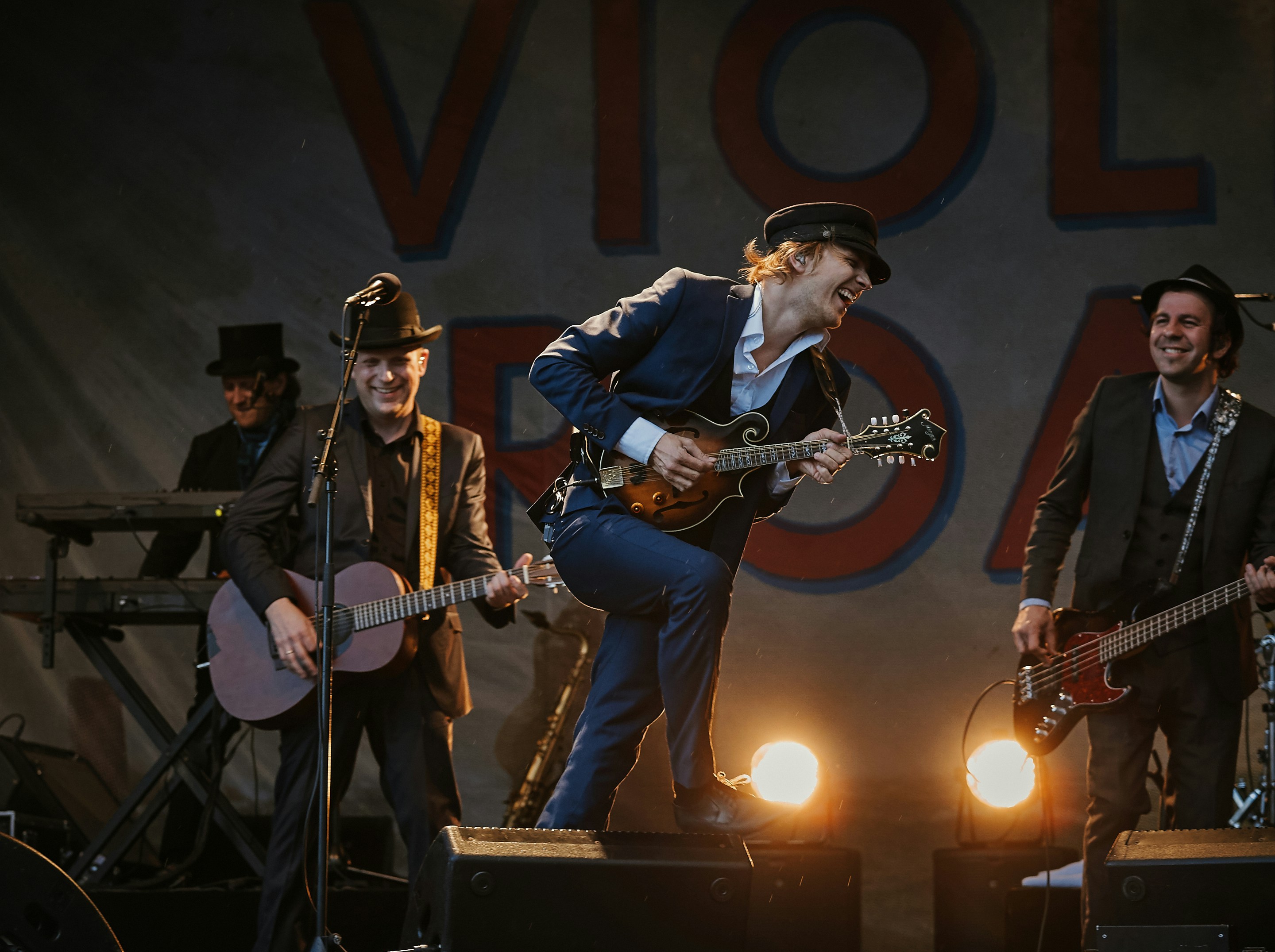
Claddagh · 1964
The record that took Irish traditional music seriously as art — cut for tiny Claddagh in 1964, the first door into a whole tradition.
Some grails are worth thousands; this one is worth a tradition. When The Chieftains appeared in 1964 on the tiny Dublin label Claddagh, it did something quietly revolutionary: it treated Irish traditional music — the jigs and reels and slow airs heard in kitchens and pubs — with the seriousness and care of a classical release. Nobody had quite done that before. And out of that single act of respect grew the global life of Irish music.
The group had gathered around Paddy Moloney, the uilleann piper whose vision shaped everything that followed. Where trad had lived as solo playing or loose session music, Moloney arranged it — pipes, fiddle, flute, whistle, harp and bodhrán woven into something composed, deliberate, almost chamber-like, without ever losing the lift of the dance. Listen to the interplay here and you hear the blueprint for how the world would come to know Irish music: not as background colour but as art with its own architecture.
It helps to remember how marginal this was in 1964. Ireland was poor and outward-looking; its own traditional music was often treated at home as something quaint, to be left behind on the way to modernity. Claddagh, run with a poet's sensibility by Garech Browne, refused that embarrassment. The label pressed the music beautifully, annotated it seriously, and insisted it belonged on the shelf next to anything else. That insistence — that Irish trad was worth documenting properly — is the record's real and lasting achievement.
The playing is gentle but never slight. The slow airs ache; the dance sets bounce with a controlled joy; Moloney's pipes carry a whole emotional history in their drones. It's an intimate record, recorded simply, and that simplicity is part of its honesty — you feel you're in the room with a handful of masters playing for the love of it, which is exactly what was happening.
It's worth dwelling on how deliberate the whole enterprise was. Claddagh took care with everything — the recording, the annotation, the artwork — treating a record of jigs and airs with the gravity usually reserved for poetry or classical music, which was precisely the point Browne and Moloney wanted to make. Nothing about it condescends to the material or dresses it up for outsiders; it simply presents the music, beautifully, as worth your full attention. That confidence, in 1964, was itself a kind of national self-respect.
From this small beginning the Chieftains became, over the following decades, ambassadors for Irish music worldwide — collaborating with everyone, scoring films, filling concert halls. But the debut is where the idea was set: that this music was not a museum piece or a tourist cliché but a living art worth taking as seriously as any other. Every subsequent flowering of Irish and Celtic music — the folk revivals, the crossover successes, the whole global appetite for the sound — traces back through this door.
It is not, and was never meant to be, an expensive record; it sold and pressed modestly, and it remains affordable. Its value is historical, not monetary — which is exactly what makes it such a satisfying thing to own. For anyone building a shelf of foundational records, The Chieftains is the first and truest document of Irish traditional music claiming its place as art, made in Dublin at the moment the claim was first pressed to vinyl.
The 1964 debut that made Irish traditional music an art rather than a curiosity — Paddy Moloney's blueprint for how the world would come to know the sound. Not a grail of money but of origins: the original Claddagh CC2 is cheap, foundational, and the first door into a whole tradition.
The Chieftains on Vinyl — Which Pressing?
cat. CC2 — an early release from the Dublin label, and the tells are modest but clear. The sleeve carries the line "Recorded in Ireland and pressed for Claddagh", which fixes it as a genuine Irish-made original rather than a later foreign licensee. Read the sleeve text first: that phrase is the fastest confirmation
on the disc, look for a pressing ring smaller than the usual — a physical characteristic of the early Claddagh pressing plant that helps separate a first from later runs. It's a subtle tell, best checked with a copy in hand, but combined with the CC2 catalogue and the "recorded in Ireland" sleeve credit it builds a confident picture
there is a reported sleeve variant carrying it, but it has never been confirmed with certainty. Treat it as unverified — do not pay a premium on the strength of a misprint that may be collector folklore rather than fact, and don't let a seller use it to inflate a price. If you encounter a copy that seems to carry it, document it and verify against reliable references before believing the claim
the record has always been affordable, so there's little incentive for fakery, but there are later Claddagh pressings and foreign issues: the Irish-made credit and the early pressing ring are what mark the first. A median around ~€13 — genuinely cheap for a record this foundational, which is the whole point: its worth is what it started, not what it costs. Treat that figure as an order of magnitude, and let condition and completeness guide the rest
Groov-illa participates in the Amazon, eBay Partner Network and CDandLP affiliate programmes, among others. Purchasing through our links may earn us a small commission at no extra cost to you. The Discogs link is not an affiliate link: we earn nothing from it.
How do I identify the 1964 Claddagh original?
Look for catalogue CC2 and the sleeve line 'Recorded in Ireland and pressed for Claddagh,' which marks it as a genuine Irish-made original. On the disc, the early pressing has a smaller-than-usual pressing ring. Together those confirm a first pressing over later or foreign issues.
Is the 'CHEAFTAENS' misprint sleeve real?
It's reported but has never been confirmed with certainty — treat it as unverified. Don't pay a premium for a misprint that may be folklore, and be wary of sellers using it to justify a high price. Verify against reliable references before believing the claim.
Why is such an important record so cheap?
Because its value is historical, not monetary. It sold and pressed modestly and has always been affordable, sitting around a median of ~€13. You're buying origins — the first record to treat Irish traditional music as art — not scarcity. Prices move, so treat that as an order of magnitude.
Where might I find one in Dublin?
Dublin's second-hand and traditional-music shops, and Irish record fairs, are the natural place a Claddagh original turns up. Buying in person lets you read the 'Recorded in Ireland' sleeve credit and check the pressing ring before you pay.