Frank Ocean's Blonde: How a 2016 Record Became a Grail
How Frank Ocean's Blonde went from a $35 Black Friday drop to a four-figure grail in record time — and what it says about collecting in the streaming age.
For twenty-four hours on Black Friday 2016, you could just buy it. A double LP on Frank Ocean's own site, boysdontcry.co, thirty-five dollars, gatefold with a poster and a lyric sheet. Then the window shut and never reopened. Today that same record — spelled Blond on the sleeve, Blonde everywhere else — is one of the most wanted objects on all of Discogs, changing hands for the price of a decent turntable and a stack of records to play on it.
Most grails take decades to become grails: a flop has to be forgotten, a label has to fold, a myth has to settle. Blonde did it in record time, and it did it on purpose. That is what makes it worth talking about — not the price tag, which fifty listicles have already gawped at, but what a record like this tells us about collecting in an age when the music itself is one tap away, free, forever.
Twenty-four hours, then gone
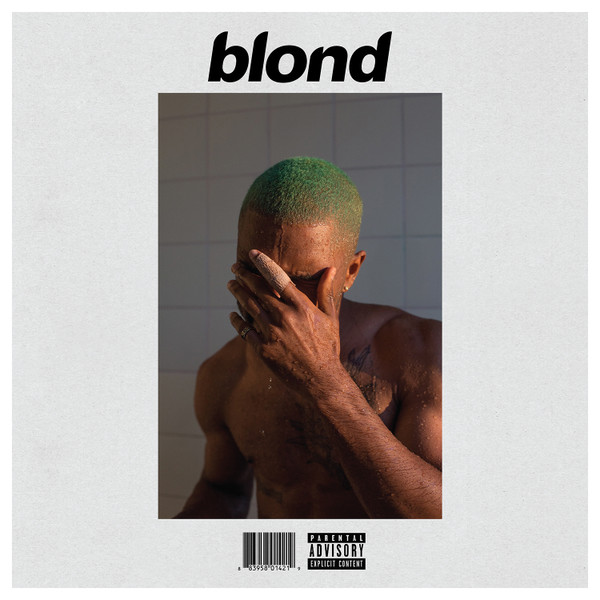
Blonde arrived in 2016 after a four-year silence — the long hiatus that followed Channel Orange (2012) — and was quickly received as one of the decade's defining albums, a slippery, experimental record pulling R&B, soul and pop out of shape. The vinyl came only as a Black Friday Edition, sold on 25 November 2016 through Ocean's own store, available for a single day at $35. There was no retail run, no record-shop stock, no second chance. A physical object was pressed to be, from the start, almost impossible to own.
What you got for your $35 was deliberately an object, not just a carrier: a gatefold, a poster, a printed lyric sheet — the kind of package meant to be handled and kept, not filed away. And the way it was sold mattered as much as what was sold. A timed, one-day, buy-it-now-or-never release is the logic of a sneaker drop or a streetwear collaboration, carried wholesale into vinyl: hype as distribution, the countdown as the product. Ocean didn't stumble into scarcity — he engineered it, the way a fashion house engineers a limited run.
Artificial scarcity, permanent
The market did the rest, fast. That $35 record now sits at #1 most-wanted and #1 most-collected on Discogs — a wantlist somewhere around twenty-three thousand people deep. Clean originals trade in the $500–1,000 range, with rare copies pushing toward $2,000. Crucially, Frank Ocean has never given it a proper reissue: beyond one later repress, the record has simply never been made again. The scarcity isn't an accident of a bankrupt label or a lost master — it's a decision, and the refusal to repress reads as part of the work, a gesture as deliberate as the music.
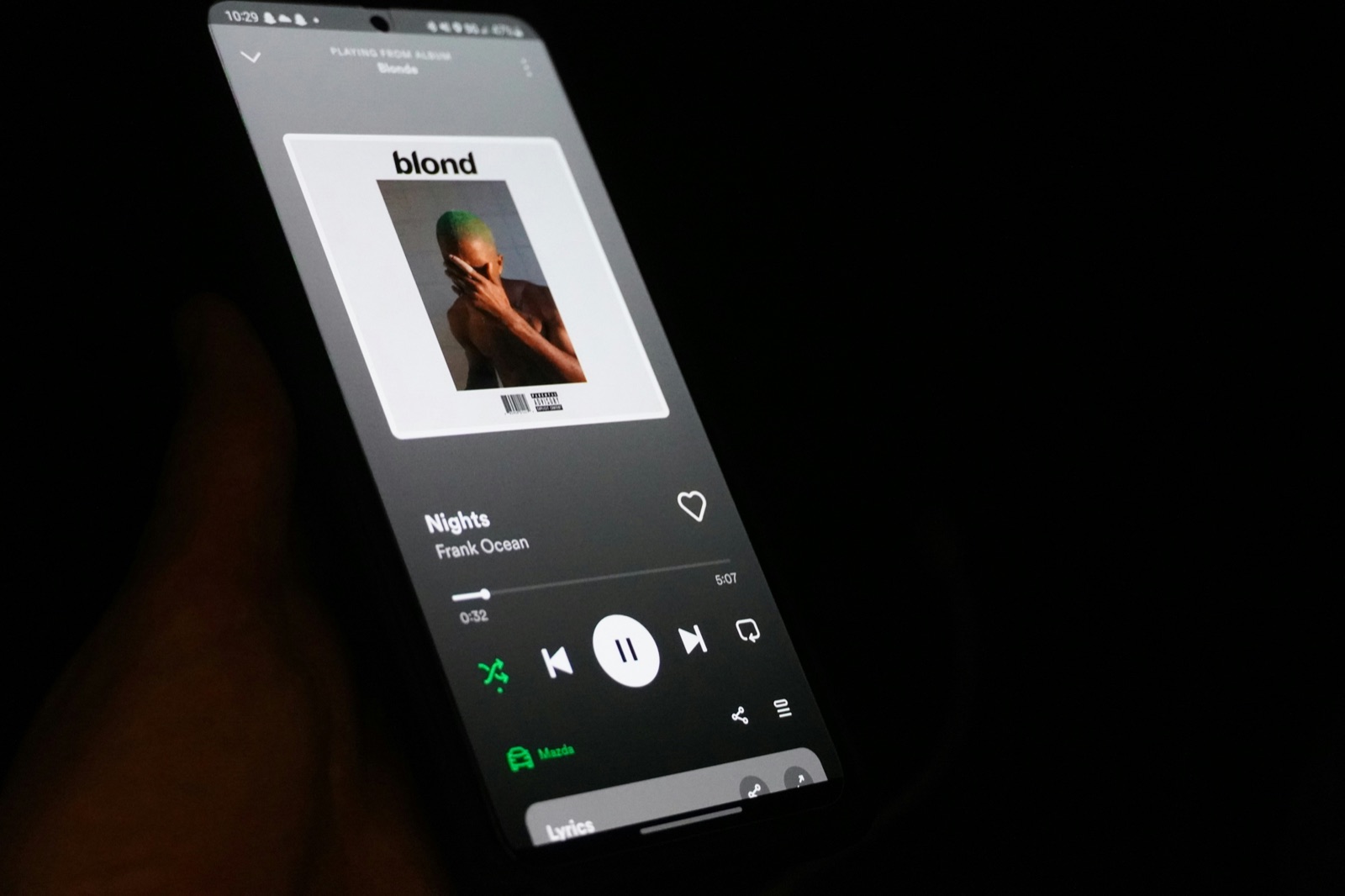
That is the genuinely new thing here. Blonde is not rare because it's obscure — it's one of the most streamed albums of its generation, available to anyone, instantly, at no cost. It's rare because the object was withheld. In an age that dissolved music into a feed, the vinyl became the one version you cannot summon on demand — and value rushed to fill exactly that gap. The grail, it turns out, no longer needs time. It needs a locked door.
For a collector, that inverts the usual logic. Normally you chase an old record because time made it scarce, and you're rescuing it from obscurity; here the album is famous, adored, streamed into the ground, and the only thing in short supply is the pressing itself. It isn't a lost artefact waiting to be found — it's a deliberately limited edition of something everybody already has. Whether that makes it a "real" grail or a very effective piece of marketing is exactly the argument worth having — and the honest answer is that it's both at once.
When the music is everywhere for free, the object becomes the only thing left to own. — Groov-illa
Originals, represses and fakes
This is where a collector has to slow down, because a hot grail attracts forgeries. There are two official pressings. The 2016 Black Friday original is the one everyone wants — the earliest copies carry a "Black Friday" sticker on the shrinkwrap. The later official repress, put out through XL Recordings, is identifiable by the XL Recordings credit on the back sleeve and trades far lower, around $150 and up. Everything else deserves suspicion.
Because plenty of what's floating around is not official at all. The eye-catching coloured copies — white, yellow, clear vinyl — are, as a rule, unofficial bootlegs, and a lot of buyers have been burned paying grail money for them on the secondary market. If a listing's colour or packaging doesn't match one of the two official pressings, treat it as a fake until proven otherwise. And mind one more twist of the same weekend: the "Boys Don't Cry" magazine that also appeared around Black Friday 2016 came with the vinyl of Endless — the other, visual-album record — not Blonde, to the confusion of fans who expected the hit. Endless is now its own grail, at roughly $800–1,500.
None of this is a record you casually add to a cart: Blonde lives entirely on the second-hand market, on Discogs and specialist sellers, priced and authenticated copy by copy. Buy the record, not the story — check the pressing, check the sleeve, check the seller. If you want the groundwork first, our original pressing vs reissue guide is the place to start. For other records worth the hunt, see the crate-digger's grails.
What Blonde proves is that scarcity has been unbundled from age. A record made in 2016 can be harder to own than one from 1966, not because the years thinned the copies but because someone decided, on day one, to close the door and leave it closed. In a dematerialised era, that closed door is the whole point — and the reason a nine-year-old album already sits where the true grails sit.