The British bands steal the fire
1964–1966. The Who, Small Faces, Kinks: when British rock became Mod and changed everything.
In 1964, something strange happens in the history of Mod. The sound that the Soho kids had imported from America — modern jazz, Black R&B, Detroit soul — starts being picked up by British bands who aren't content to just play it. They take it apart, reassemble it with the anger of those who have nothing to lose, and send it back transformed into something different. Something that is already rock, but not yet what rock will become.
The Who: anger as aesthetic
Pete Townshend is twenty years old when he writes My Generation. He has the bottle-green jacket, the Cuban heels, the pills in his pocket like everyone else at the Marquee Club on Oxford Street. But the difference between him and the other Mods at the same venue is that he plays in a band. And the band — The Who, born as The High Numbers — has a problem: it plays too loud, too chaotically, with too much fury for any normal venue. The solution becomes their identity.
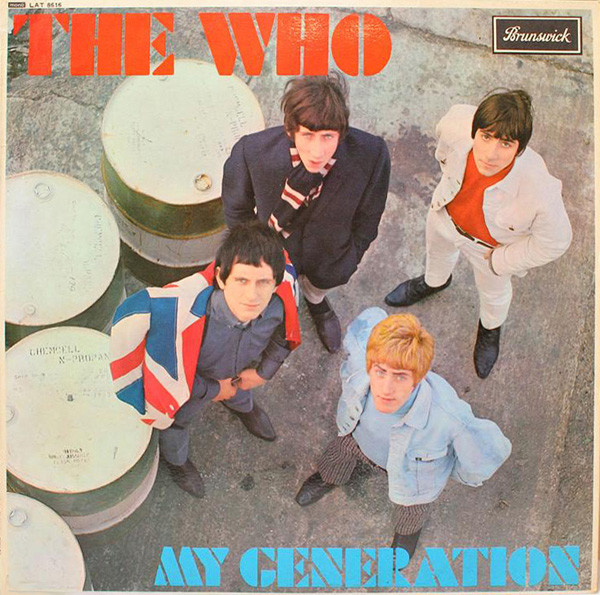
My Generation comes out in October 1965 on Brunswick. Roger Daltrey stutters — in Mod mythology the stutter was how kids talked on amphetamines — and John Entwistle's bass does things bass guitars didn't do in 1965: melodies, counter-melodies, soloist interjections. Keith Moon on drums demolishes any conventional rhythmic structure. Townshend smashes his guitar on stage. This isn't just music: it's theatre of the working class presenting itself to the world dressed immaculately and not asking permission.
The original Brunswick pressing of My Generation is one of the reference points of 1960s rock collecting. The original UK mono pressing with dark Brunswick label is rare and sought-after — VG+ copies regularly fetch £150-300, considerably more for excellent copies.
"I hope I die before I get old."
— Pete Townshend, My Generation, 1965Small Faces: Mod as class
If the Who represent the fury of Mod, the Small Faces represent its heart. Four kids from the East End of London — Steve Marriott, Ronnie Lane, Kenney Jones, Ian McLagan — who play white R&B with a grace and naturalness that American bands couldn't replicate. The difference isn't technical: it's cultural. The Small Faces are genuinely working class, raised in the working-class districts east of London, and they bring that background to the music without exploiting it.
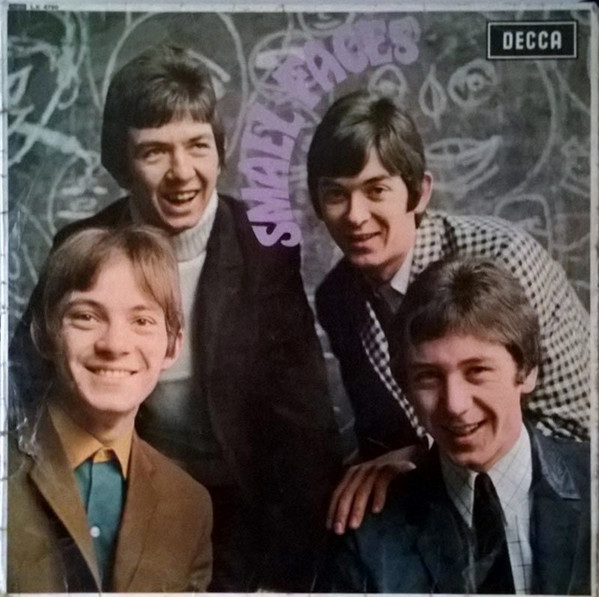
Their first self-titled album, released in 1966 on Decca (LK 4790), is one of the densest and least celebrated records of the entire Mod season. Thirteen tracks of British R&B ranging from neighbourhood ballads to exercises in pure soul fury, all played with the compactness of a band that has known each other for years. Steve Marriott is vocally the best of his generation — a gospel voice that shouldn't belong to a white kid from the East End of London, and which instead is perfectly, miraculously his.
The original Decca mono pressing is rare and sought-after. Decca didn't produce large runs for the Small Faces debut, which was considered a chart phenomenon rather than an album artist. History has reversed that judgment. Today VG+ copies of the first album are treated as historical documents.
The Kinks and the view from inside
Ray Davies of the Kinks is a special case. He isn't a Mod in the strict sense — he doesn't frequent the club circuit, doesn't carry the style obsessively. He's a middle-class kid from north London suburbs who watches his own class with the cold eye of a sociologist. And in the mid-1960s he starts writing songs that are sociological portraits of British society — Dedicated Follower of Fashion (1966), A Well Respected Man (1965), Sunny Afternoon (1966) — with a precision that nobody had yet reached in British pop.
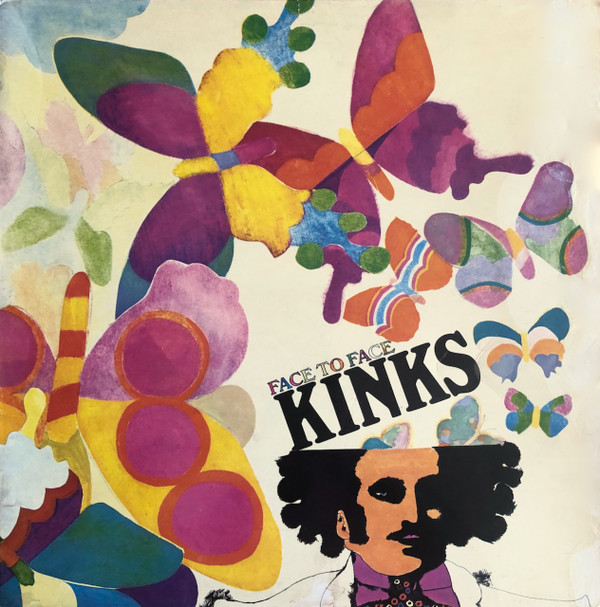
Face to Face from 1966 on Pye (NPL 18149 mono, NSPL 18149 stereo) is the album where Davies puts it all together. Fourteen tracks, almost none longer than three minutes, each a miniaturist portrait of British life. It's the record that anticipates the concept album before the term is even invented — not in the narrative sense, but in the thematic sense: everything speaks of the same thing, everything watches the same class, everything comes from inside the same experience.
The Who — My Generation
Small Faces — Small Faces
The Kinks — Face to Face
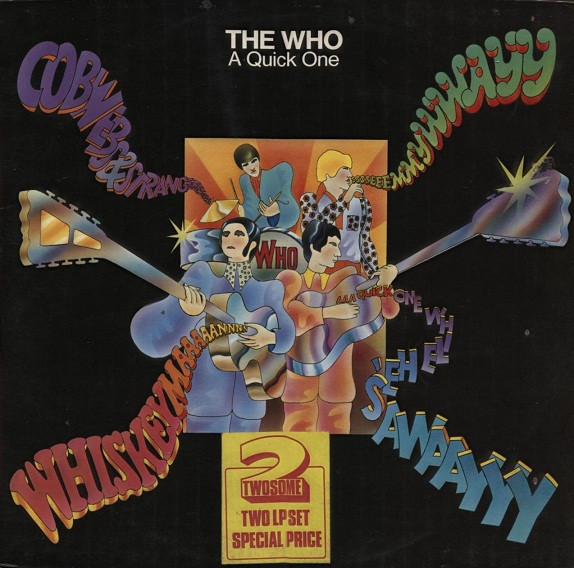
The Who — A Quick One
In 1966 the Mod scene is at its peak. British bands have taken the American model and transformed it into something new. But just when everything seems to be working, something starts to shift. Psychedelia knocks on the door. And some bands start recording records that nobody will buy — records that will become, fifty years later, the most sought-after objects in worldwide vinyl collecting.