The records nobody heard
1966–1967. The Mod scene at twilight, rare singles buried in record fair boxes. The records that are worth gold.
There is a category of records that collectors call by a precise term: flops. Not flops in the general commercial sense — they mean something more specific: records released by bands who should have succeeded, who played better than almost all the bands who did make it, who recorded in professional studios with serious producers, and who despite all of this sold almost nothing. Records that came out in 1966-67, at the precise moment when Mod culture was beginning to crumble, and ended up in sale bins for a few shillings.
Today those records are worth hundreds, sometimes thousands of pounds. The market has recognised what the 1966 public failed to understand.
The Action: the perfect Mods nobody bought
Critics who specialise in 1960s Mod music tend to have a fairly clear opinion about The Action: they were the best Mod band of the period, better than the Who for stylistic consistency, better than the Small Faces for harmonic sophistication, with a voice — Reggie King's — that was pure Black soul poured into a white East End London body. And they sold almost nothing.
The Action release a series of singles between 1965 and 1967 on Parlophone — the same label as the Beatles — without managing to break through. Bad luck, a label policy favouring its headline acts, and the band's awkward position at a moment when Mod was already dissolving toward psychedelia all played their part. The singles get released, receive excellent specialist reviews, and disappear from the charts in two or three weeks.
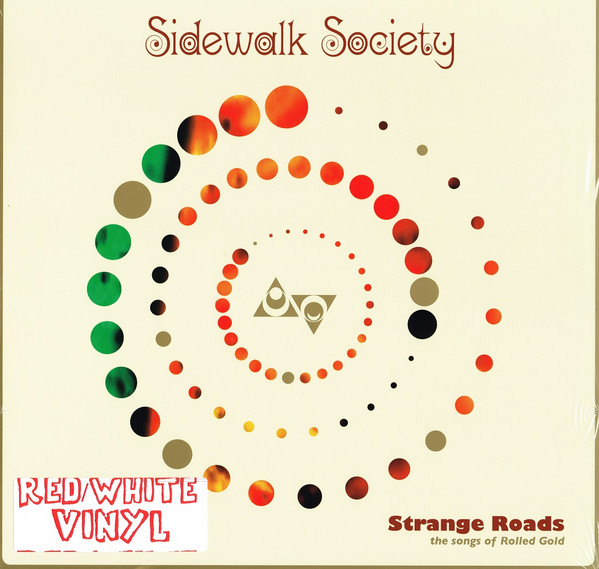
The album Rolled Gold, published in 1968 on Parlophone as a singles compilation, has become one of the most sought-after records in the British Mod catalogue. The original pressing (PCS 7073) is rare — published almost simultaneously with the band's dissolution and with minimal distribution. Copies in good condition regularly fetch significant figures in vinyl auctions. It is the exemplary case of the record that the market has completely revalued relative to its original reception.
"The Action were Mods in their purest form. No compromise, no psychedelia, no concession to the market. Which is exactly why they didn't sell."
— Eddie Piller, Acid Jazz RecordsThe Creation: the guitar as paintbrush
The Creation are perhaps the most extreme case of a brilliant band ignored by the market. Kenny Pickett, the singer, painted on canvas during concerts — live action painting on stage. Eddie Phillips, the guitarist, played with a violin bow instead of a pick — a technique that anticipated by years what Jimmy Page would do with Led Zeppelin. They were psychedelic before psychedelia had a name.
Their singles on Planet and later Polydor, between 1966 and 1968, almost all remain in the charts briefly. Painter Man (1966) reaches position 36 in the UK and is later rediscovered by Boney M in the Seventies. But it is How Does It Feel to Feel from 1967 that connoisseurs consider their masterpiece: four minutes of pure proto-punk energy, with Phillips' bowed guitar and a rhythm section that anticipates American garage and British punk by ten years.
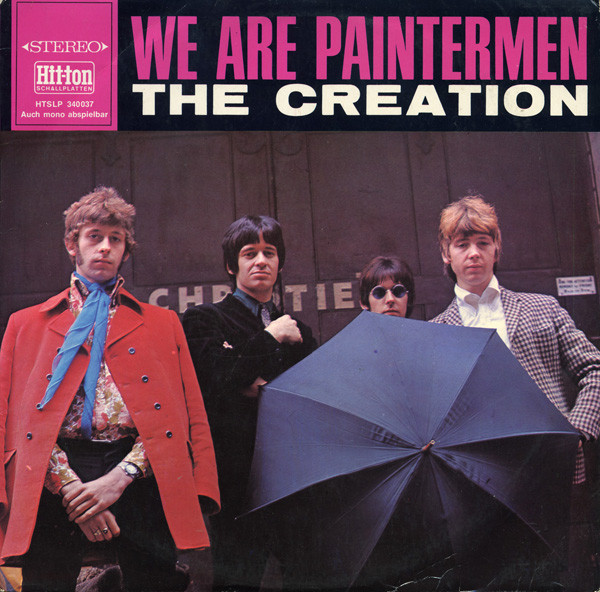
The album We Are Paintermen (Hit-ton, 1967) was originally published only in Germany — the band had more success on the continent than at home. The original German pressing on Hit-ton is considered one of the most important pieces in freakbeat collecting. Original copies in EX/VG+ can reach several hundred pounds.
Freakbeat: the niche within the niche
The term freakbeat was coined by collectors in the 1990s to describe a body of British music from 1965-68 that sat between Mod and psychedelia. Too hard for the pop charts, too melodic for free jazz, too British for American blues, too angry for the Summer of Love. Bands like The Eyes, The Birds (with Ron Wood before the Faces), The Flies, The Attack, Wimple Winch.
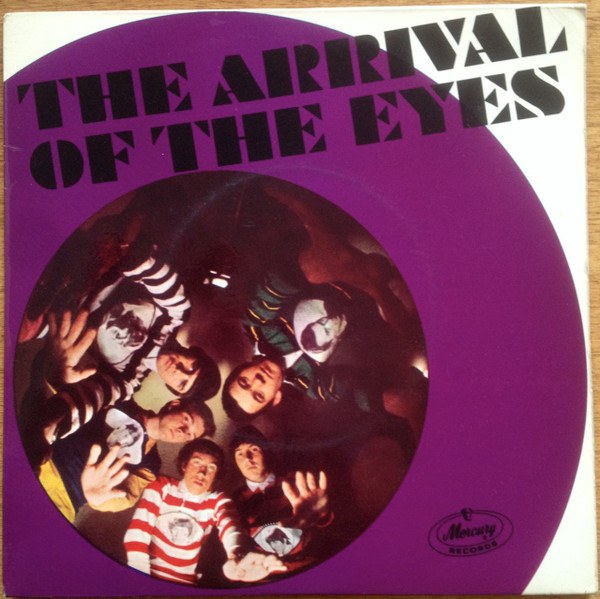
The Eyes are a perfect example. Their single My Degeneration (Mercury, 1965) — a direct riposte to the Who's My Generation — sold almost nothing, was almost immediately forgotten, and was then rediscovered by collectors in the 1990s through the Bam Caruso compilations. Today the original Mercury pressings of The Eyes command figures that the 1965 public would never have imagined.
The Action — Rolled Gold
The Creation — We Are Paintermen
The Eyes — The Arrival Of The Eyes (EP)
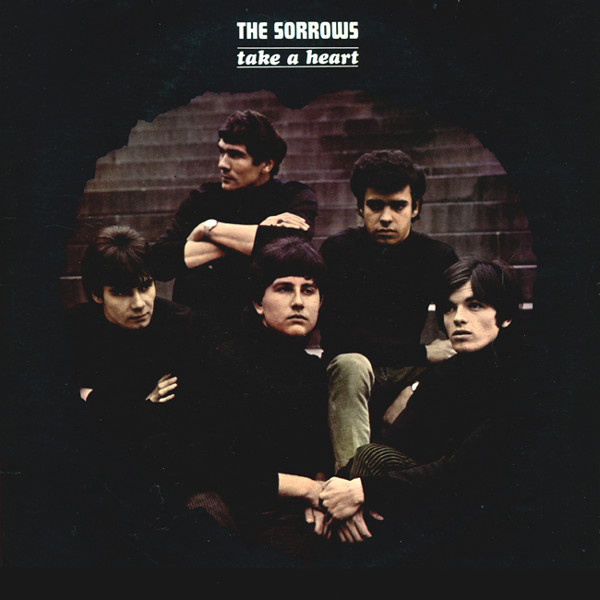
The Sorrows — Take a Heart
The records nobody heard in 1966-67 are today among the most sought-after objects in worldwide vinyl collecting. It isn't nostalgia — it's the market correcting the judgment of its time. The Action, The Creation, The Eyes played too well for their moment. The next chapter tells what came after: Quadrophenia, the posthumous rock opera with which Pete Townshend tried to give a narrative to all of this history.