Riverside Records · 1959
Eight ballads, no vocals, a trumpet that whispers instead of shouting — with Bill Evans at the piano, months before Kind of Blue.
Chet Baker plays the trumpet here like a man who would rather be whispering. Chet is an album of ballads and nothing else — no vocals, no fireworks, just the instrument the back cover calls his "lyrical trumpet," held close and played soft. In 1959 Baker was twenty-nine, film-star handsome and already coming apart at the edges. For forty minutes here, none of that shows.
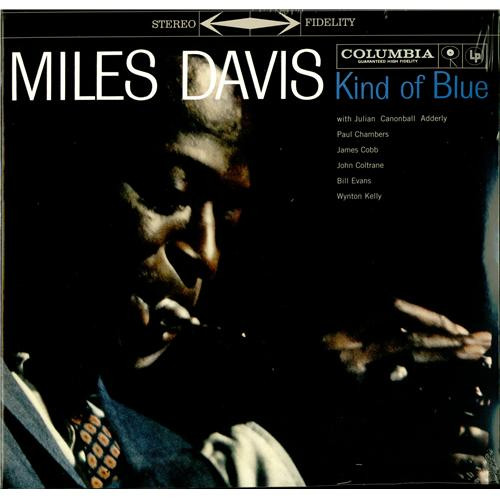
There's an irony in where it was made. Baker was the face of West Coast cool, yet Chet came out on Orrin Keepnews's Riverside — an East Coast label — cut in New York at Reeves Sound Studios across two sessions in December 1958 and January 1959. Keepnews surrounded him with a band built to frame that fragile tone: Pepper Adams on baritone, Herbie Mann on flute, Kenny Burrell on guitar, Paul Chambers on bass, Philly Joe Jones and Connie Kay splitting the drums. And on piano, a player Keepnews's liner notes still introduce almost cautiously — Bill Evans, months from Kind of Blue, beloved by musicians and unknown to everyone else.
The label reads Ballads by Chet Baker, and that is exactly what you hear. Alone Together opens with Evans laying a harmonic cushion so soft the trumpet seems to rest on it. It Never Entered My Mind is the album's quiet centre: the Rodgers and Hart ballad played with a hesitation that aches, every note held a beat too long, like someone reluctant to finish the sentence. You'd Be So Nice to Come Home To lets a little more swing in, and the point lands — how much Baker says with how little. No vibrato, no acrobatics, just a bare tone and the rare nerve to sit inside silence rather than fill it.
On vinyl, the original is the 1959 Riverside: RLP 12-299 in mono, RLP 1135 in stereo. The mono first press shows a deep groove and small (92 mm) blue labels in silver type, with no "Inc" beneath "Bill Grauer Productions" — the tell that separates the original from later Riverside runs. Clean VG+ mono copies sit around £200–450, and the warm, close Reeves Sound Studios capture is already half the appeal. For less money, the older Original Jazz Classics (OJC-087) reissue carries the same programme for a few tens of euros. The real step up now is Craft Recordings' 2021 edition (OJC series, CR 00359): all-analogue, lacquers cut by Kevin Gray, pressed at RTI — quiet, open, and it puts Baker's trumpet in the room with you. Avoid only the cheap unsourced editions, often from digital files with no cut credited.
Baker would spend the next three decades losing his teeth, his health and nearly everything else, down to the fall from an Amsterdam window in 1988. Chet is the one to keep within reach as a reminder of before: a man who could make melancholy beautiful, one evening at a time. Play it at midnight. It's the only hour it tells the whole truth.
Chet Baker's lyrical peak: eight instrumental ballads of held-back melancholy, with Bill Evans on piano. For sound, find the 2021 Craft/OJC (all-analogue, Kevin Gray cut); the mono Riverside RLP 12-299 original is the collector's piece.
Chet on Vinyl — Which Pressing?
RLP 12-299 mono (or RLP 1135 stereo). First press: deep groove, small (92 mm) blue labels in silver type, no "Inc" under "Bill Grauer Productions". Reeves Sound Studios, warm and close. VG+ mono ~£200–450
CR 00359, all-analogue, Kevin Gray lacquers, RTI pressing. The modern reference: quiet, open, faithful. ~£30–40, in print
the affordable vintage route, same programme, honest master. ~£15–25
cheap unsourced editions, often digital-sourced with no cut credited
Groov-illa participates in the Amazon, eBay Partner Network and CDandLP affiliate programmes, among others. Purchasing through our links may earn us a small commission at no extra cost to you.
What is the first pressing of Chet Baker's Chet?
The 1959 Riverside original: RLP 12-299 in mono and RLP 1135 in stereo. The mono first press has a deep groove and small (92 mm) blue labels in silver type, with no 'Inc' beneath 'Bill Grauer Productions' — that missing 'Inc' is what separates the first run from later Riverside reissues. Clean mono copies generally run between £200 and £450 depending on condition.
Which reissue of Chet should I buy?
For sound, Craft Recordings' 2021 edition (Original Jazz Classics series, CR 00359) is the best in-print choice: all-analogue, with lacquers cut by Kevin Gray and pressing by RTI — quiet and very faithful to the original recording. If you just want to hear the record cheaply, the older 1980s OJC-087 does the job for a handful of euros. Avoid the budget editions with no cut credited, which are often sourced from digital.
Who plays piano on Chet?
Bill Evans, recorded between late 1958 and early 1959, only months before Miles Davis's Kind of Blue. Orrin Keepnews's liner notes still introduce him as a promise — loved by musicians, barely known to the public. Around him is an exceptional band — Pepper Adams, Herbie Mann, Kenny Burrell, Paul Chambers, and Philly Joe Jones and Connie Kay on drums — assembled to frame Baker's trumpet.