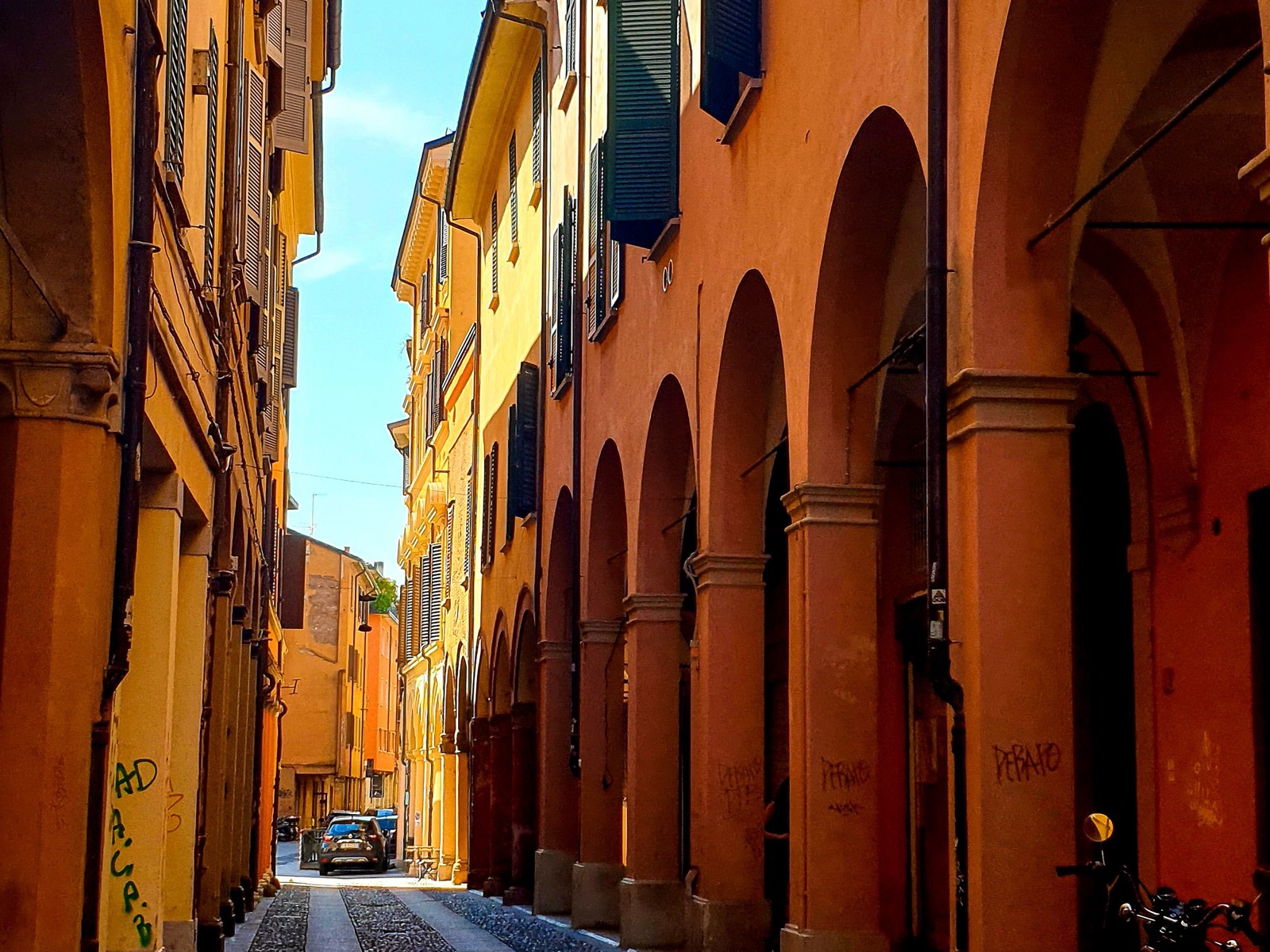
Detuned synths, drowsy beats and voices from old documentaries: the record that made the future sound like a decayed past.
Boards of Canada make music that sounds older than it is. Music Has the Right to Children arrived in 1998 sounding like a 1970s educational film left too long in a damp attic — faded colours, children's voices, synthesisers wobbling slightly out of tune as if the mains current were never quite steady. It is a record made of memory, or more precisely of that exact feeling of remembering something that may never have happened to you.
It came out jointly on Warp and Skam, the Manchester label the duo had emerged from, and behind the name are two Scottish brothers, Michael Sandison and Marcus Eoin, working in their Hexagon Sun studio in the hills south of Edinburgh. It wasn't strictly their debut — 1996's Boc Maxima, on their own Music70 label, was so limited as to be a rumour — but it's the record that introduced them to the world. And it was their most contrary move: while Warp's IDM was heading toward the cold abstraction of Autechre and Aphex Twin, Boards of Canada went the other way — warm, pastoral, nostalgic, human.
The sound is deliberately detuned analogue synthesisers, hip-hop beats slowed until they feel drowsy, and scraps of voice lifted from documentaries and educational reels. Roygbiv is the closest thing here to a song: two minutes of warm bass and a melody that lodges in your head for days. Turquoise Hexagon Sun is pure hypnosis, a loop turning on itself like a faulty music box. Aquarius threads its famous sample ("orange… yeah, that's right") through a groove that seems beamed in from a forgotten radio station. And beneath the sweetness, on tracks like An Eagle in Your Mind, there is always something faintly unsettling — nostalgia tipping into unease.
That balance is what makes it a turning point. Before the word "hauntology" existed, Boards of Canada had written its handbook: the idea that the future should sound like a decayed past. Half the electronic music of the next two decades descends from here — Burial above all — and even Radiohead have named them an influence. Few 1998 records left as much progeny.
On vinyl, the original is the 1998 UK double LP: Warp WARPLP55 / Skam SKALP1, seventeen tracks. The collector's grail is the "pure Skam" copy, the one with the embossed braille sticker and no barcode: clean originals, once forgotten in budget bins, now run roughly £120–300 and up. The Warp reissues from 2004 on — cut from the original metalwork — can sound excellent, with a depth and silence that shame the CD. But it's a lottery: the album is deliberately quiet, and in the softer passages the surface noise of a poor pressing is all too audible. Buy from a seller who takes returns, and check the copy. One note for purists: the original UK sequence closes on One Very Important Thought; the eighteenth track, Happy Cycling, appeared only on the US Matador edition and then the 2004 Warp reissue.
Music Has the Right to Children sounds like a memory you're no longer sure of — yours, someone else's, or a childhood that never took place. Put it on, and let the tape eat a little more time.
Electronic music's nostalgic turning point: warm, uncanny, consistent to the point of obsession. The 1998 'pure Skam' original (braille sticker) is the grail; the metalwork-cut reissues sound superb but are a QC lottery on a deliberately quiet record — buy from a seller who takes returns.
Music Has the Right to Children on Vinyl — Which Pressing?
UK double LP, 17 tracks (no "Happy Cycling"). The grail is the "pure Skam" copy with the embossed braille sticker and no barcode. Clean ~£120–300 and up
cut from the original metalwork, add "Happy Cycling". Can sound excellent — more depth and silence than the CD. ~£25–35
cut from the original metalwork, with the Skam braille sticker. The findable choice
a QC lottery. The album is deliberately low-volume, so surface noise in the quiet passages shows — buy from a seller who takes returns and check the copy
Which pressing? Check it on Discogs ↗
Groov-illa participates in the Amazon and eBay Partner Network affiliate programmes. Purchasing through my links may earn me a small commission at no extra cost to you. The Discogs link is not an affiliate link: I earn nothing from it. How we review →
What is the first pressing of Music Has the Right to Children?
The 1998 UK double LP, released jointly by Warp (WARPLP55) and Skam (SKALP1). The most sought-after version is the 'pure Skam' copy, identified by its embossed braille sticker and the absence of a barcode. It runs to 17 tracks and closes on 'One Very Important Thought'. Clean originals now sell for roughly £120–300, and more for the 'pure Skam' copies.
Do the reissues sound as good as the original?
Often, yes: the Warp reissues from 2004 on are cut from the original metalwork, and many copies sound excellent, with a depth that beats the CD. The catch is consistency — the album is deliberately low-volume, so in the quieter passages the surface noise of an imperfect pressing is audible. It's something of a lottery, so it's worth buying from a seller who takes returns and inspecting the copy.
Why do some copies have 'Happy Cycling' and others don't?
Because the track wasn't on the original 1998 UK release. It first appeared on the US Matador edition that same year, and from the 2004 Warp reissue onward it's included on every copy. If you want the original sequence as Boards of Canada conceived it, that's the 1998 UK pressing — the one that ends on 'One Very Important Thought'.