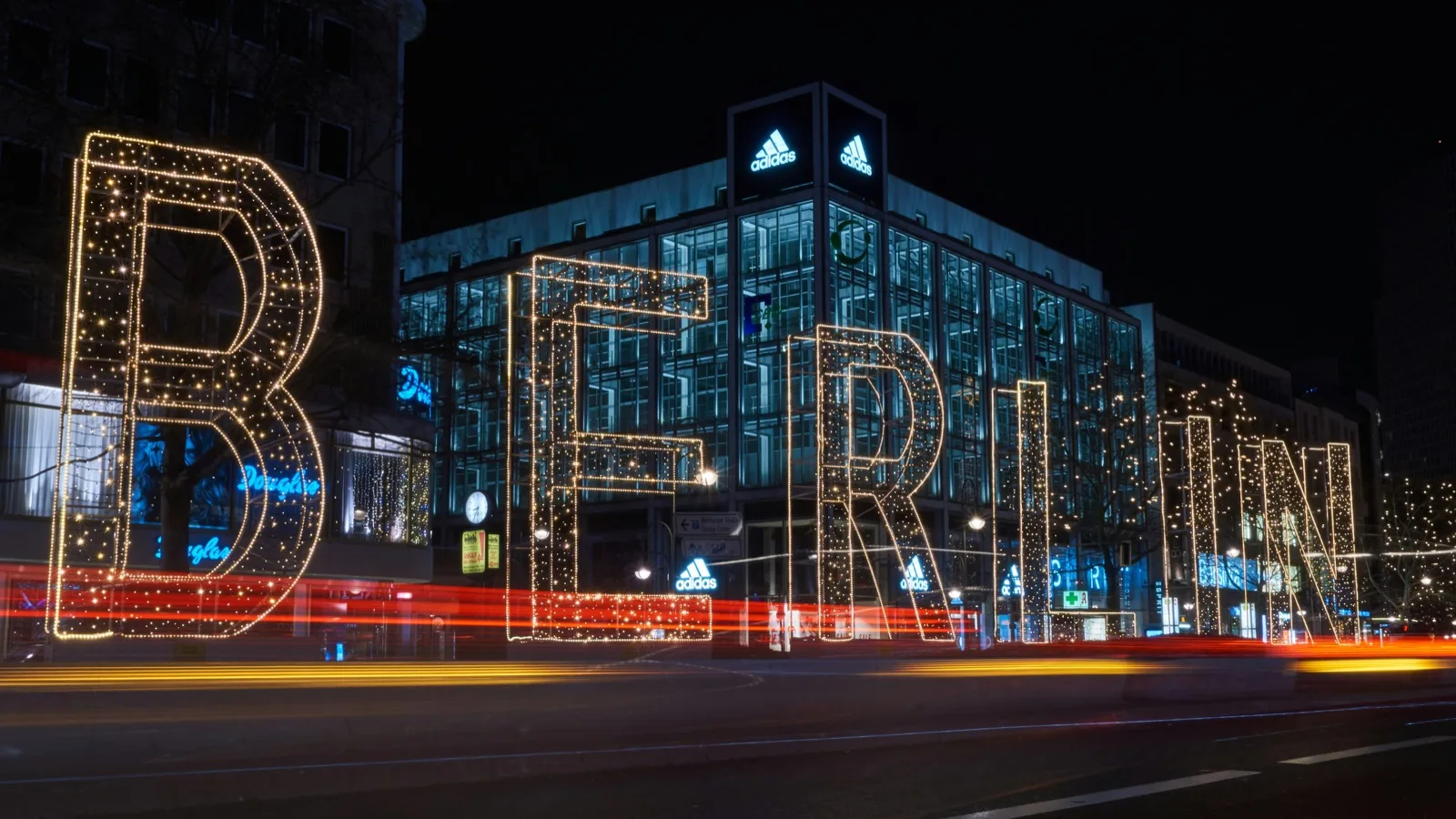
Prague and its record shops

Seventeen kilometres from Prague, in the village of Loděnice, stands the factory that now makes more vinyl than anyone else on Earth: GZ Media, seventy-five million records a year by the company's own count, for clients such as the Rolling Stones, U2 and Madonna. It pressed its first record in 1951, as a state enterprise. For forty years, what came off those presses for the home market was decided by the censors.

Start here, because it explains everything else about Prague's record shops: a few kilometres from the city sit the presses that now make vinyl for half the world, and for four decades the domestic market was allowed only a sliver of what they could produce. Supraphon, the label that controlled nearly everything Czechoslovak listeners were permitted to hear, made world-class classical recordings under the same censorship apparatus that decided which Western records got in. And in between, three of the country's own artists found out what happened when the state decided their music was the problem. This guide covers the shops, the neighbourhoods, and the story worth knowing before you walk into any of them.
A Brief History of the Prague Vinyl Scene
South-west of the city, the village of Loděnice is home to GZ Media, the world's largest vinyl manufacturer by the company's own account: ten plants across Europe and North America, seventy-five million records a year. It pressed its first record on 2 May 1951 as Gramofonové závody, the state enterprise, in the buildings of a former cotton mill. In the nineties, when vinyl collapsed, it cut production to a minimum but kept its presses, which is why it is still there today. If you own a recent vinyl reissue, there's a real chance it started life in Loděnice.
For most of the twentieth century, though, what the country could hear on record was tightly controlled. Supraphon — a trademark since 1932, nationalised after the war, one of three state labels alongside Panton and the Slovak Opus — decided almost everything, including the licences for Western records. That system did not mean cultural poverty across the board: conductor Karel Ančerl's recordings with the Czech Philharmonic came back on CD between 2002 and 2005 in the Karel Ančerl Gold Edition, which won the Académie Charles Cros Grand Prix du Disque in 2006.
What the state would not tolerate was music it hadn't approved. In 1976 it put the underground band the Plastic People of the Universe on trial, and Charter 77 grew partly out of that case: the human-rights declaration published on 6 January 1977 with 242 signatures, Václav Havel's among them. Pop singer Marta Kubišová, once a household name, was banned from performing from February 1970, after her 1968 song "Modlitba pro Martu" had made her a symbol of resistance; her LP Songy a balady, released in 1969, came back in 1970 in a censored edition with two songs replaced, and was not reissued in full on vinyl until December 1989. More than a decade later, the band Pražský výběr recorded an album in 1982, was banned from 1983, and the record circulated on hand-copied cassettes until 1988, when it finally came out on vinyl on Panton.
It ends, fittingly, in public. On 21 November 1989, during the Velvet Revolution, Marta Kubišová sang "Modlitba pro Martu" again from the balcony of the Melantrich building on Wenceslas Square — in public for the first time in almost twenty years. What could and couldn't be pressed is the story this guide's shops still carry, quietly, in their bins.
Old Town and New Town: Staré Město & Nové Město
All the shops in this guide are in the centre, split between the Old Town (Staré Město) and the New Town (Nové Město) — which, despite the name, dates to the fourteenth century.
Phono.cz (Opatovická 24, three minutes from Metro Národní třída L. B, Mon-Fri 1-7pm, Sun 1-5pm, closed Saturday) keeps vinyl and vintage hi-fi under one roof: refurbished vintage turntables, amplifiers and speakers alongside new and used records, which the shop both buys and sells. The hours come from archived copies of the shop's website (checked 28/10/2026): check them on the site before you go.
Diskoduck (Karlova 184/12, Metro Staroměstská L. A, Mon-Sat 12:30-6:30pm) sits in an arcade a short walk from Charles Bridge: new and rare records imported from around the world, rock as the biggest section, and a run of Japanese pressings worth checking every time.
Maximum Underground (Jilská 22, first floor at the end of the arcade, Metro Můstek L. A/B, Mon-Sat, until 7pm) is the address to note if you're after electronic music, metal and drum'n'bass, all among the shop's genres.
Rekomando (Trojanova 9, Metro Karlovo náměstí L. B, Mon-Sat 10am-6pm), further south in the New Town, is a record shop, bookshop and second-hand store in one: punk and hardcore, a bazaar of used LPs, Czech and Slovak music, spoken word and children's records, plus books and games.
| Shop | Area | Specialism |
|---|---|---|
| Phono.cz | Nové Město | Vinyl and refurbished vintage hi-fi, new and used |
| Diskoduck | Staré Město | New and rare imports, rock, Japanese pressings |
| Maximum Underground | Staré Město | Electronic, metal, drum'n'bass |
| Rekomando | Nové Město | Punk and hardcore, used LPs, Czech and Slovak music, books |
Recommended Itineraries
The centre in half a day. Phono.cz, Diskoduck and Maximum Underground are a short walk apart between Národní třída, the Old Town and Charles Bridge: start at Phono.cz, work toward the river at Diskoduck, and finish up the stairs at Maximum Underground. Rekomando is further south, towards Karlovo náměstí.
The state-label hunt. For anyone chasing Czechoslovak-era pressings specifically — Supraphon, Panton and Opus — Rekomando's bazaar of used LPs is the obvious counter to start with.
Practicalities
Not a euro country. Czechia has kept its own currency, the koruna (CZK) — don't assume euro cash or cards will work, and budget in koruna before you arrive.
Sunday empties the map. Diskoduck, Maximum Underground and Rekomando are shut on Sunday. Phono.cz flips the pattern: closed Saturday, open Sunday afternoon.
From the airport. Václav Havel Airport has no direct train or metro connection. Trolleybus 59 runs to Nádraží Veleslavín, on Metro Line A, the easiest route into the historic centre; bus 100 runs to Zličín, on Line B.
Getting around. Three metro lines plus an extensive tram network cover the city; the historic centre itself is easily walkable end to end.
The fair. Vinyl & Stereo Expo, with its Rock & Metal Market, returns on Saturday 4 September 2027 at PVA EXPO in Letňany, 10am to 4pm: date, admission, how to get there and three Czechoslovak records to look for on the fair page.
Frequently Asked Questions
Where can I buy vinyl in Prague? In the centre: Phono.cz near Národní třída metro for vinyl and vintage hi-fi, Diskoduck near Charles Bridge for new and rare imports and Japanese pressings, Maximum Underground for electronic and metal, Rekomando towards Karlovo náměstí for punk, used LPs and Czech and Slovak music.
Where can I find Czechoslovak-era Supraphon records in Prague? Rekomando's bazaar of used LPs is the first counter to check for Supraphon, Panton and Opus.
Can I visit the GZ Media vinyl factory? No: GZ Media's official website offers no public tours of the Loděnice plant.
Which days are record shops open in Prague? Avoid Sunday, when Diskoduck, Maximum Underground and Rekomando are shut. The exception is Phono.cz, which closes Saturday instead and opens Sunday afternoon.
When is the record fair in Prague? The next Vinyl & Stereo Expo is on Saturday 4 September 2027, 10am to 4pm, at PVA EXPO in Letňany, Hall 5. Full details on the fair page.
Records to Hunt for in Prague
For each guide in this series we close with a record worth hunting in that city. Prague needs three, because censorship here had three faces: the underground the state wouldn't authorise, the star it decided to punish, and the band it banned and people loved anyway.
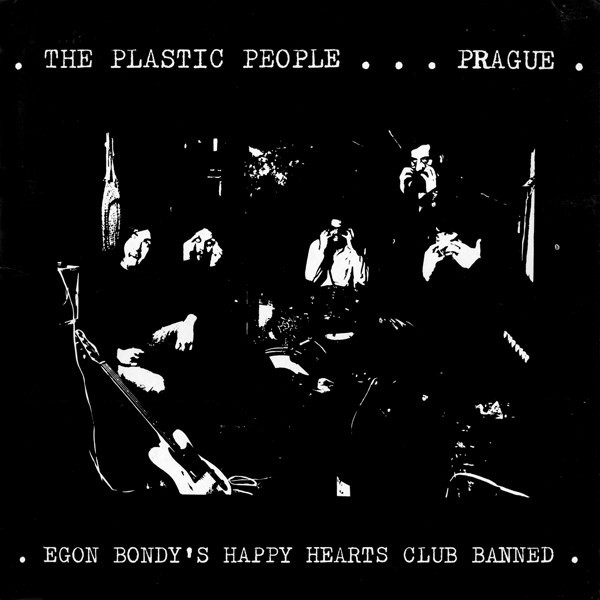
Which pressing? Check it on Discogs ↗
Recorded clandestinely in December 1974, largely at Houska Castle, at a time when the band could not release anything at all, the album reached the West only after the 1976 trial. Ivan Hartl, a Czech émigré in London, worked to get it out; the record was produced in France and pressed in Ireland in 1978, in the name of "the Plastic People Defense Fund, London", without the band knowing.
The original comes in a glossy gatefold sleeve with a 60-page, 12-inch book, and a quirk worth knowing: track B5 is missing from the side B label and listed only inside the gatefold. The run-out carries the matrix "10 018". A vinyl reissue came out in 2023 on Moved-By-Sound / Guerilla Records.
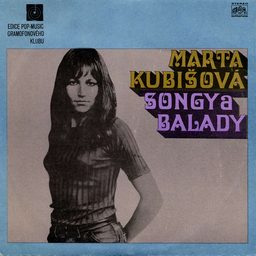
Which pressing? Check it on Discogs ↗
The record of a singer the state first celebrated and then erased. It came out in 1969 through the Gramofonový klub, available to members by pre-order only according to Discogs (0 13 0587 mono, 1 13 0587 stereo). In the 1970 edition, catalogue 1 13 0855, two songs were replaced: "Modlitba pro Martu" became "Zlý dlouhý půst" and "Ne" became "Kdo ti radu dá". The one to look for is the 1969 pressing, with the original tracks.
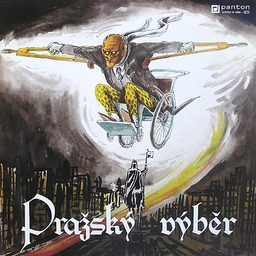
Which pressing? Check it on Discogs ↗
Recorded in 1982 and passed around for years only on cassette, it finally came out on vinyl in 1988 on Panton under the title Pražský výběr; everyone knows it as Straka v hrsti, the intended title, like the Juraj Herz film that used its songs and was shelved too. The 1988 pressing has the price, Kčs 44, stamped on the record and the factory code "88 2"; Discogs lists it with both a black and a green label. The 1989 repress carries the code "89 2".
They're fitting records to close on, because they run against everything else in this guide. A few kilometres from Prague, more vinyl is pressed than in any other factory on Earth. These are the records that, for years, the state wanted nobody to hear.
The Vinyl Cities series continues. Subscribe to the Groov-illa newsletter for upcoming episodes.
If you live in Prague and have corrections, suggestions or shop recommendations, write to hello@groovilla.com. The guide is updated periodically.