Barcelona and its record shops
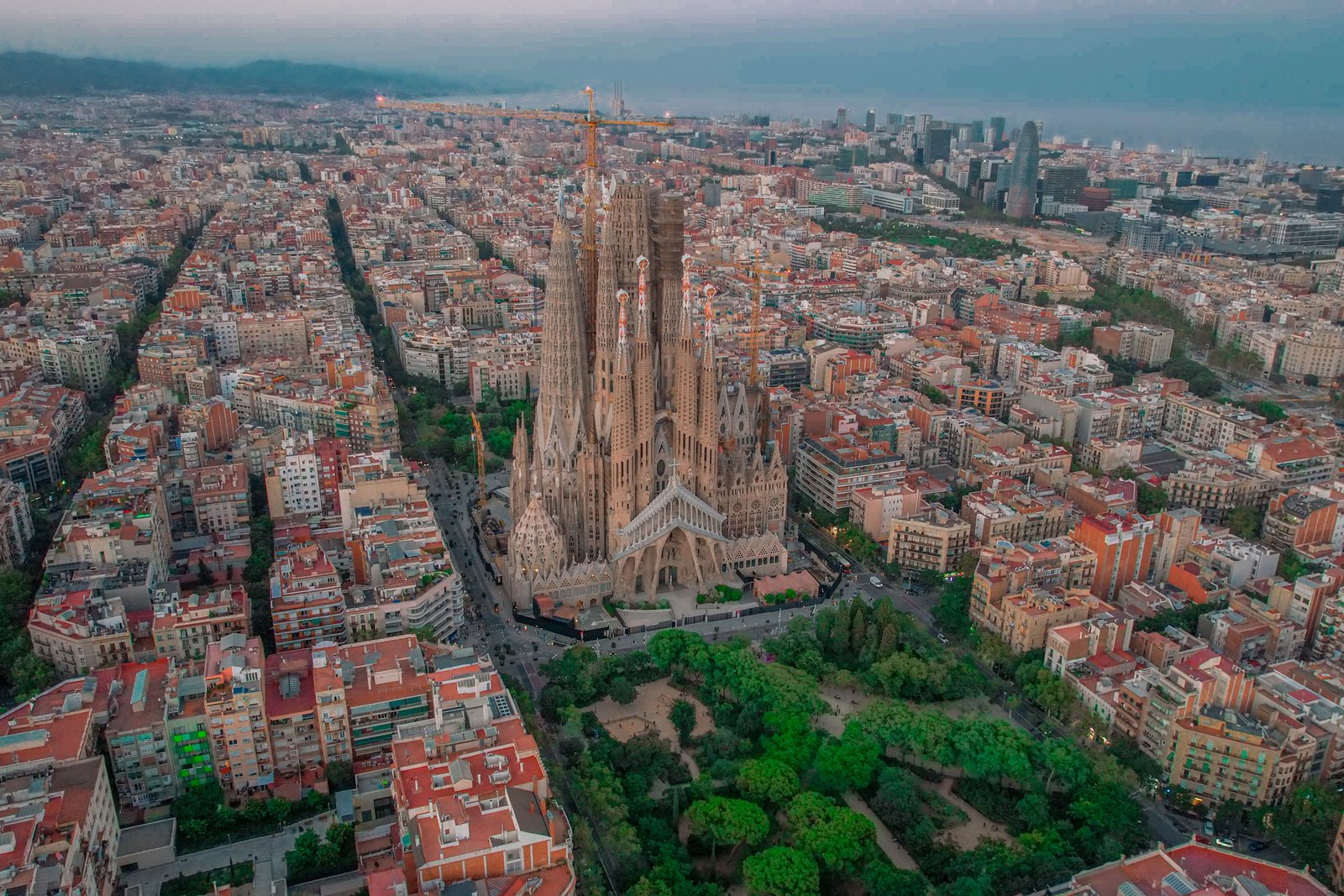
Episode 11 of the Vinyl Cities series
Carrer de la Cera runs a single short block through Barcelona's Raval. In the 1950s the Bar Salchichón, on that street, was where the neighbourhood's Roma families gathered in the evenings — a chair pulled onto the pavement, a guitar, someone singing. Pere Pubill Calaf lived a few doors down; the street already called him "el jefe" — the boss — years before the world would know him as Peret. Nobody in that bar was making a record. They were inventing a genre, one evening at a time.
Start here, because the two things this city is best known for on vinyl — Catalan rumba and a globally famous electronic festival — both began the same way: with people Barcelona hadn't yet learned to take seriously, working somewhere the establishment wasn't watching.
Catalan rumba took shape in the 1950s among the city's Roma community, in three places at once: Gràcia, leaning closer to flamenco; the Carrer de la Cera crowd in the Raval, looser and more street; and, to a lesser degree, Hostafrancs. Peret — Pere Pubill Calaf, 1935–2014 — recorded his first sides in 1962 and, with 1971's Borriquito, took the genre to number one in the Netherlands and Germany. He sang it again at Eurovision in 1974 and at Barcelona's own 1992 Olympics. A second name matters just as much: Antonio González, "El Pescaílla," permanently in the shadow of his wife Lola Flores in the press of the day. And in 1978 a young Argentine, Xavier "Gato" Pérez, released Carabruta — the record that opens with the genre's own manifesto in miniature: rumba is born in the street, daughter of Cuba and a Roma kid. The genre is, right now, the subject of a live UNESCO push — begun in 2022, still working through Spain's own approval process, made international in July 2026 with an alliance between Barcelona's Plataforma per la Defensa de la Rumba Catalana and Montpellier's Roma association Cap Gély Figuerolles. It is a real, ongoing process, not yet a recognition.
Thirty years after rumba's first steps and roughly five kilometres away, three friends built Barcelona's second export. Ricard Robles, Enric Palau and Sergi Caballero had spent years travelling to see the electronic and multimedia scenes other cities already had; in 1994 they built one at home instead. Sónar opened that June at the Centre de Cultura Contemporània (by day) and Sala Apolo (by night) to around 6,000 people. By 2000 it was 53,000; by the early 2010s, past 120,000, in venues built for trade fairs rather than the scrappy original. In 1998, Kraftwerk chose it for their first stage return in twelve years. In October 2025, all three founders left the organisation they'd run for thirty-two years; the company is now majority-owned by Superstruct Entertainment.
One thread runs under both stories. In 1961, inside a Barcelona fur shop, a small group founded Edigsa — the first record label built specifically for music in the Catalan language, home to Raimon, a young Joan Manuel Serrat and the Els Setze Jutges collective. It wasn't a protest label; it was infrastructure, a language building itself a record industry on purpose. And the connective tissue between all three threads is barely fifteen years old: Hivern Discs, the influential Barcelona electronic label founded in 2008 by producer John Talabot, takes its name from the Catalan word for winter. An internationally distributed techno label choosing a Catalan name isn't a coincidence anyone planned — it's simply the same city, doing what it has always done.
El Raval: Where Rumba Was Born, and Where the Shops Still Cluster
The Raval remains the dense heart of Barcelona's digging, running along Carrer dels Tallers, Carrer de la Riera Baixa and Carrer de Ferlandina — all a five-minute walk from each other, and from the Carrer de la Cera itself.
Discos Paradiso (Carrer de Ferlandina 39, Metro Liceu, Mon-Thu 11-8, Fri 11-2:30 & 4-8, Sat 12-7) is the electronic institution here, built by two Catalan music obsessives who'd spent years bus-touring Europe's record shops before opening their own. Techno, house and outernational sounds dominate, with four listening stations and a stock deep enough that more than one well-travelled visitor has called it the most Detroit techno they've found outside Detroit.
Wah Wah Records (Carrer de la Riera Baixa 14, Metro Liceu, Mon-Sat 11-2 & 5-8:30) opened in 1992 and grew its own reissue label by 1998, organised into four honestly-named lines spanning psych, soul, exotica and new productions. Its African and Asian sections are among the deepest in the city — just remember the shop's own reissues sit in the same bins as originals, so ask rather than assume.
Subwax Bcn (Carrer de la Riera Baixa, Metro Liceu) has an unusual history for a Barcelona institution: it began in Malmö, Sweden, in 1994, and only relocated here in 2012. Rare electronic music and reggae/dub sit side by side in a stock some 10,000 records deep — a combination that doesn't show up together this seriously anywhere else in the city.
Discos Edison's (Carrer de la Riera Baixa 10, Metro Liceu, Mon-Sat 1-9) is the address for Catalan and Spanish vinyl specifically, every 7" hand-labelled by an owner regulars describe as endlessly generous with recommendations.
Revólver Records (Carrer dels Tallers 11, Metro Universitat, Mon-Sat 10-9) is the survivor of a Tallers institution that once ran two doors: its sister shop, "the red" Discos Revolver, closed for good in July 2025 after 34 years. Revólver Records itself — "the green" one — carries on, a genuine rock, punk and metal reference for the whole city.
Gràcia and Beyond: The Second Rumba Home, and the Electronic Present
Surco (Travessera de Gràcia 144, Metro Fontana, Mon-Sat 10:30-2 & 5:30-8:30) is the oldest record shop in Catalonia still trading, opened on 4 March 1974 by Carlos García and Marisol Vela — two twenty-four-year-olds who'd left Madrid for Barcelona's freer air. Half a century later García still runs it, still a Beatles specialist above all.
Rhythm Control (Ronda de Sant Pau 19-21, Metro Paral·lel, Mon-Fri 3-7:45, Sat 12-1 & 2-7:30), in Eixample, is Barcelona's electronic specialist outside the Raval, built by DJ Antony "Bruce Lee" Manejas, behind the decks at the city's clubs since 1997 and closely linked to the Discos Paradiso scene.
Ultra Local Records (Carrer de Pujades 113, Metro Poblenou, Mon-Fri 4-8:30, Sat 11-8), in the creative Poblenou district, is dedicated specifically to Catalan and local independent releases — the corrective for anyone assuming Barcelona's contemporary scene is only what gets exported.
| Shop | Area | Specialism |
|---|---|---|
| Discos Paradiso | El Raval | Electronic, house, techno, outernational |
| Wah Wah Records | El Raval | Psych, garage, soul, reissue label |
| Subwax Bcn | El Raval | Rare electronic, reggae/dub |
| Discos Edison's | El Raval | Catalan and Spanish vinyl |
| Revólver Records | El Raval | Rock, punk, metal, industrial |
| Surco | Gràcia | Beatles, Catalan/Spanish independents |
| Rhythm Control | Eixample | Techno, acid, electro |
| Ultra Local Records | Poblenou | Catalan and local independent |
Recommended Itineraries
The Raval loop (half a day). All five Raval shops sit within a five-minute walk of each other, and of the Carrer de la Cera itself — worth the short detour even though there's nothing to buy there, just to stand where the genre started. Start at Discos Paradiso on Ferlandina, work through Riera Baixa (Wah Wah, Subwax, Edison's), finish at Revólver on Tallers.
The Gràcia-Eixample day. Metro out to Surco in Gràcia for the shop's Beatles depth and half-century of history, then across to Rhythm Control in Eixample for the electronic present, finishing the evening at Curtis Audiophile Cafe on Carrer de Mallorca — three spaces in one (record shop, DJ venue, cocktail bar) run in the spirit of Japan's listening cafés.
The collector's run. Discos Paradiso and Subwax for the electronic thread that connects to Sónar and Hivern Discs; Discos Edison's and Surco for the Catalan-language thread that runs from Edigsa to today. One afternoon each, two very different Barcelonas.
Practicalities
The Raval walks, the rest needs the metro. El Raval's shops are all within five minutes of each other on foot. Gràcia, Eixample and Poblenou each need a short metro ride to reach — Fontana for Gràcia, Universitat or Paral·lel for Eixample depending on the shop, Poblenou for the district of the same name.
Watch the weekend, not the siesta. Barcelona's shop hours are gentler than Madrid's — most Raval addresses stay open through the early afternoon. The real trap runs the other way: a genuine handful of good shops (BCore Disc in Gràcia among them) close entirely on Saturday and Sunday.
Almost everything is shut on Sunday except the flea markets — the Mercat Dominical de Sant Antoni, a Sunday book-and-record market running since 1937, and Els Encants, one of Europe's oldest flea markets, which is open Monday, Wednesday, Friday and Saturday but not Sunday itself.
From the airport. El Prat connects to the centre by Aerobús (direct to Plaça de Catalunya, around €7.45 one-way), Metro L9 Sud (needs a dedicated €5.90 airport ticket — the standard T-Casual card doesn't cover it), or the R2 Nord train from Terminal 2 (around €4.60-4.90 to Barcelona-Sants).
Frequently Asked Questions
Where can I buy vinyl in Barcelona? The heart is El Raval: Discos Paradiso on Carrer de Ferlandina is the electronic institution, Wah Wah Records and Discos Edison's the Riera Baixa specialists, Revólver Records the rock/punk/metal reference on Carrer dels Tallers. In Gràcia, Surco is Catalonia's oldest surviving record shop.
Where did Catalan rumba come from? It was invented by Barcelona's Roma community in the 1950s, mainly in Gràcia and on the Raval's Carrer de la Cera, out of rumba flamenca, Cuban rhythm and whatever was on the radio. Peret took it to number one across northern Europe with Borriquito in 1971; the genre is currently the subject of an ongoing, international UNESCO heritage bid.
Where can I buy electronic music in Barcelona? Discos Paradiso and Subwax Bcn in the Raval are the two essential stops, both closely tied to the scene around the Sónar festival and the Hivern Discs label. Rhythm Control in Eixample adds a strong techno and acid specialism.
Is Barcelona's rumba the same as Spanish or Madrid movida music? No — they're genuinely distinct stories. Catalan rumba is a Roma-community genre in the Catalan language and cultural sphere, decades older than the movida and unconnected to it. Groov-illa's Madrid chapter covers that city's own, separate story.
Which days are record shops open in Barcelona? Most of El Raval opens Tuesday to Saturday with reasonable hours; watch for a handful of Gràcia and Eixample shops (BCore Disc especially) that close entirely on weekends. Sunday is workable only via the Mercat Dominical de Sant Antoni market.
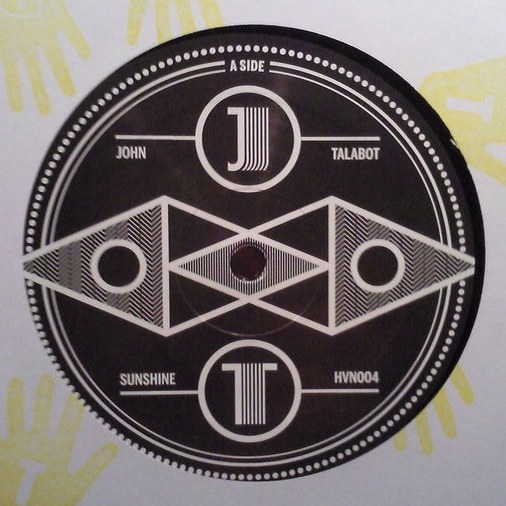
What should I know about prices in Barcelona? Gentler than most European capitals in this series: rumba originals in fair shape run roughly €15-40, everyday second-hand sits in single figures, and even a scarce, limited-edition electronic record like John Talabot's Sunshine on Hivern Discs trades for €15-60 depending on condition.
Records to Hunt for in Barcelona
Barcelona gets two records in this series, not one — its story genuinely doesn't reduce to a single object.
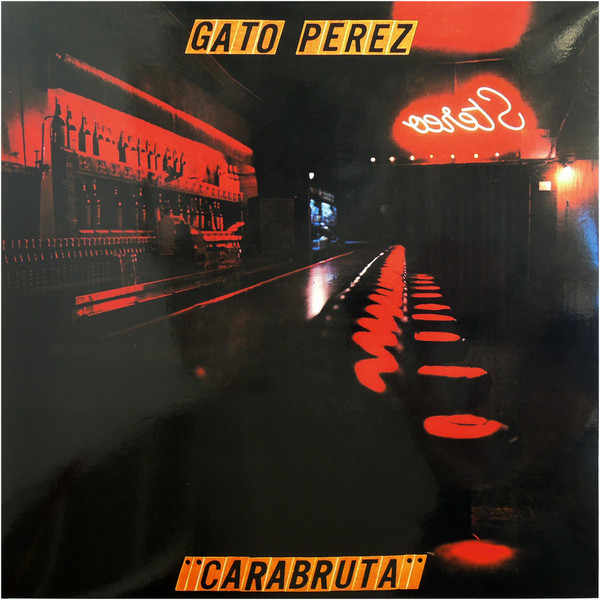
Gato Pérez's Carabruta is the rumba side of the story: the record that opens with the genre's own manifesto — "rumba is born in the street, daughter of Cuba and a Roma kid" — recorded at the city's own Estudios Belter. Its Depósito Legal, B. 11078/78, uses the same bureaucratic dating system Madrid collectors read on their own city's pressings, just with a "B" where Madrid's carries an "M." Hunt it at Discos Edison's or Surco.
John Talabot's Sunshine is the electronic side: a limited 12" on Hivern Discs — the label he co-founded in 2008, "hivern" being Catalan for winter — pressed in Spain in 2009, one year into the imprint's life, small enough in its original run to command a real premium today. It's the record that shows the scene making something for itself, on its own label, in its own language, before ƒIN (Permanent Vacation, 2012) told the wider world Barcelona had an electronic scene worth watching. Hunt Sunshine at Discos Paradiso or Subwax, the two shops closest to the world that made it.
Between them, one more record is worth knowing even though it isn't a grail: Lluís Llach's L'Estaca (Concèntric, 1968), the Nova Cançó's defining Catalan-language anthem, so beloved that an original pressing still sells for around €5. That price isn't a sign it doesn't matter — it's the opposite.
The Vinyl Cities series continues. Subscribe to the Groov-illa newsletter for upcoming episodes.
If you live in Barcelona and have corrections, suggestions or shop recommendations, write to hello@groovilla.com. The guide is updated periodically.